
Fashion: a diktat or individual freedom?
By Louis Lorgis-Leech
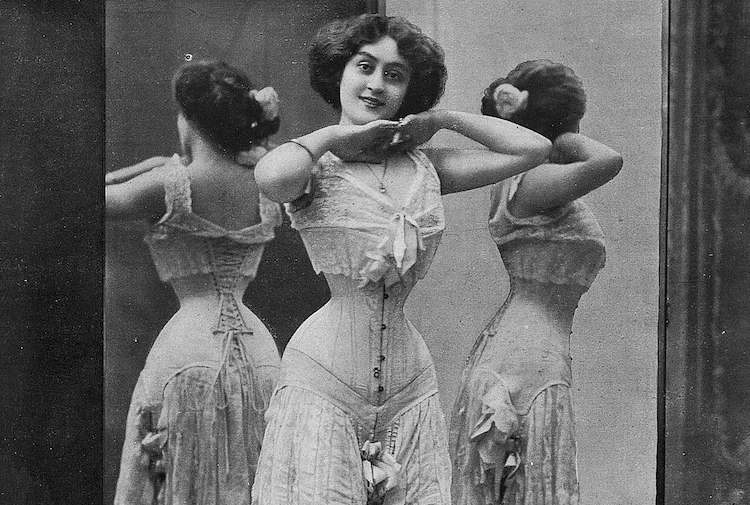
Fashion has never been merely decorative, it has often functioned as a method of control. Historically, this was unmistakable. Women’s bodies were literally shaped by clothing: corset constricted waists altering posture and breath while layered skirts dictated how one moved through space. Fashion, in this sense, was not self-expression but imposed.
For example, in the Victorian era, tightly laced corsets were commonly worn by women to achieve an exaggerated ‘hourglass’ silhouette.
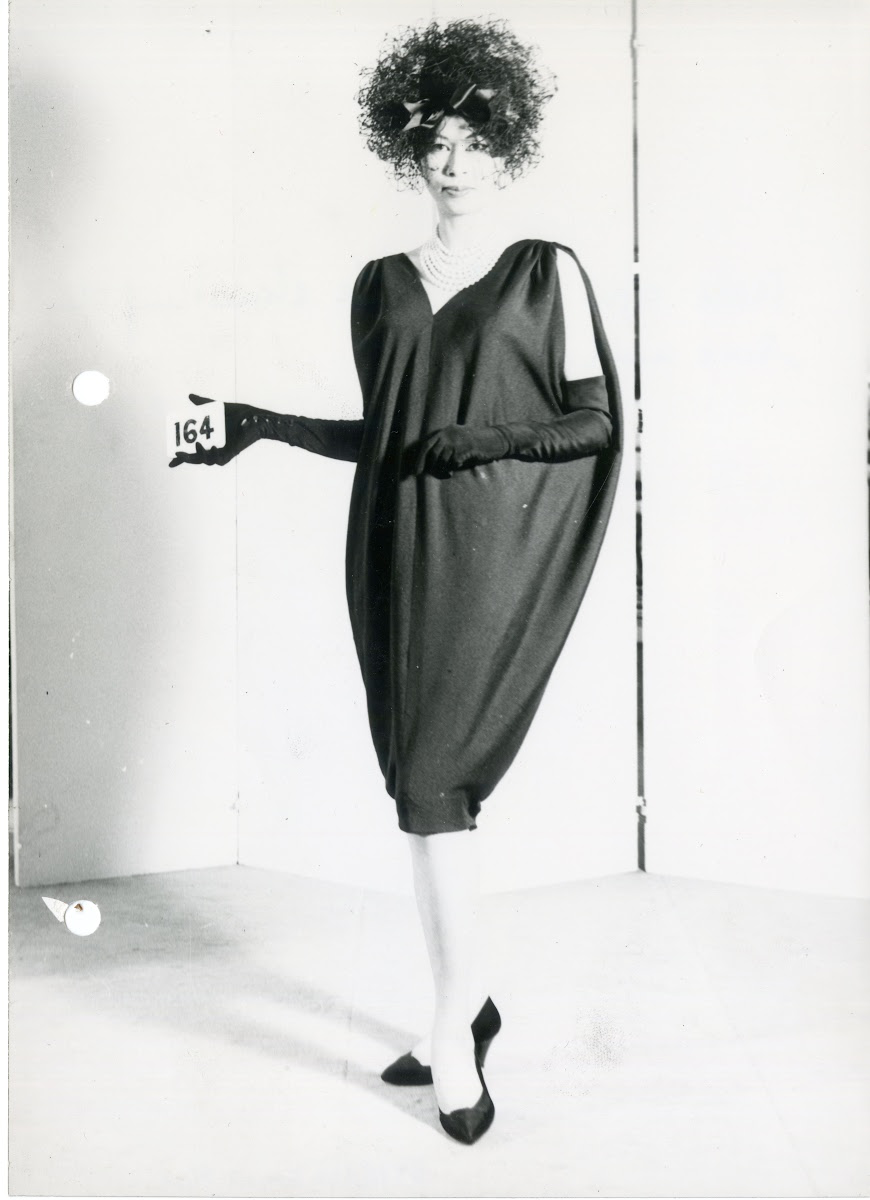
Balenciaga “Sack” Dress, 1957
But, as times evolved, designers such as Coco Chanel and Cristóbal Balenciaga revolutionised women’s fashion by introducing looser silhouettes that prioritised comfort and mobility over restriction.
The politics of dressing.
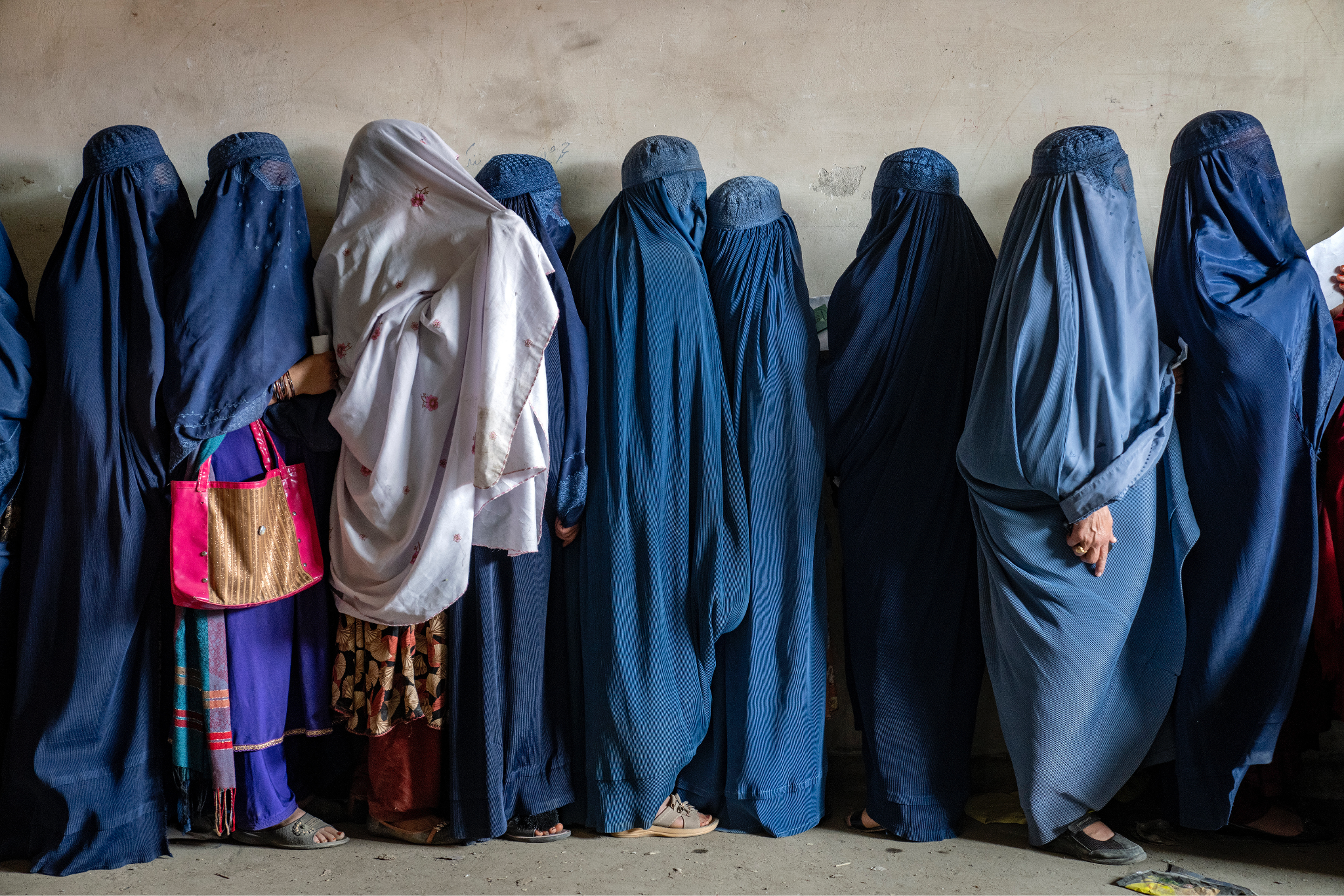
Today, the diktat is less physical but still deeply embedded in systems of control. In some regions, dress codes remain explicitly enforced. In Afghanistan, for example, women face mandatory veiling under Taliban rule, where clothing becomes a matter of state power rather than personal identity. Elsewhere, governments frame restrictions in the language of liberation: France’s long-standing bans on full-face coverings in public spaces and Portugal’s 2025 move to restrict face veils in most public settings both claim to defend “security” and “gender equality,” revealing how even opposing arguments can converge on regulating women’s visibility.
In the West, diktat often arrives more subtly through institutions and industry. Corporate dress codes still signal what ‘professionalism’ looks like, usually narrowing expression rather than expanding it with boxy black blazers, white button-down shirts, minimalist loafers, minimal jewelry, thin belts etc. Essentially, BORING.
Safe uniform attire doesn’t = better work performance. Hypothetically speaking, someone could walk into the workplace wearing a hot pink suit with platform heels and layered jewellery. Even just a pop of colour through an accessory. Does that mean that their outfit is necessarily going to affect their performance? In most cases, no. More people need to go against the norm if they don’t agree with it – if someone makes fun of you, who cares? At least you’re not pretending to be someone you aren’t just to fit in. Now obviously this would get you in serious consequences at certain jobs. For instance, if you work in a retail environment this may not go down so well with your manager due to the ‘dresscode’, but, if you work in an office and you are stuck at a desk from 9-5. Is it that serious?
Conformity from the top down: The case of Chanelmania
Luxury fashion houses shape conformity by presenting a top-down aesthetic hierarchy where runway collections define what is “current,” which is then amplified through social media.
For example, under Chanel by Matthieu Blazy, there has been this what people are coining “Chanelmania” hype, where influencers and fashion accounts circulate and aestheticise specific items that they have purchased from the recent collections until they become widely recognisable status codes for the masses.
Blazy’s updated tweed tailoring (lack thereof) and thus softened silhouettes to make Chanel’s ready to wear appeal to a wider audience. This along with his signature square toe shoes and very (very) simple bag designs are rapidly spreading through TikTok and Instagram styling content, which then leads to mainstream brands like Zara and Mango producing similar styles that translate the look into mass consumption.
So influencers and fashion insiders decide what is “in” & what is “out”. Terms which I hate. Buy what works for you, not what those at the top are ‘dictating.’
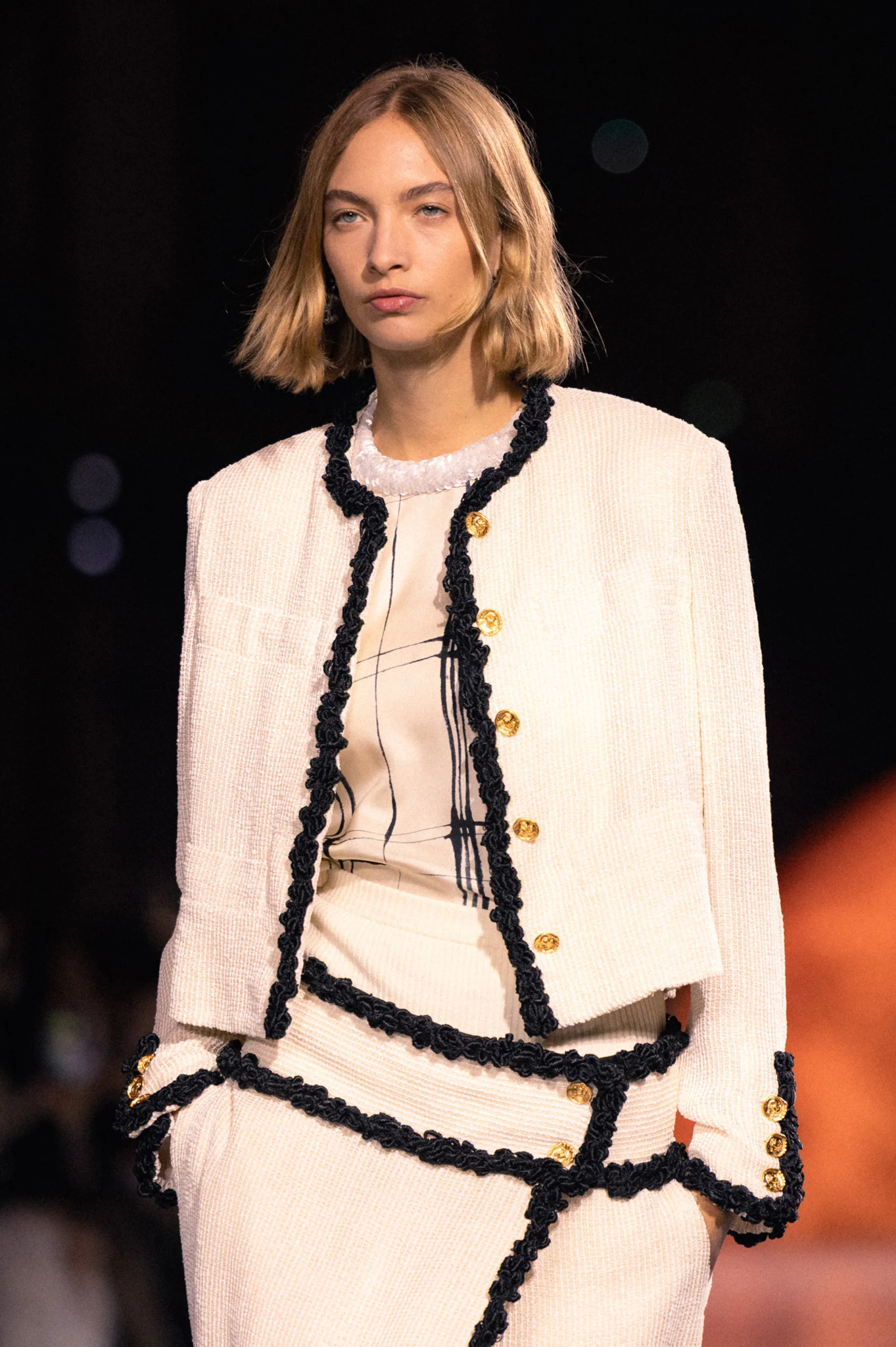
Chanel SS26 - Look 38
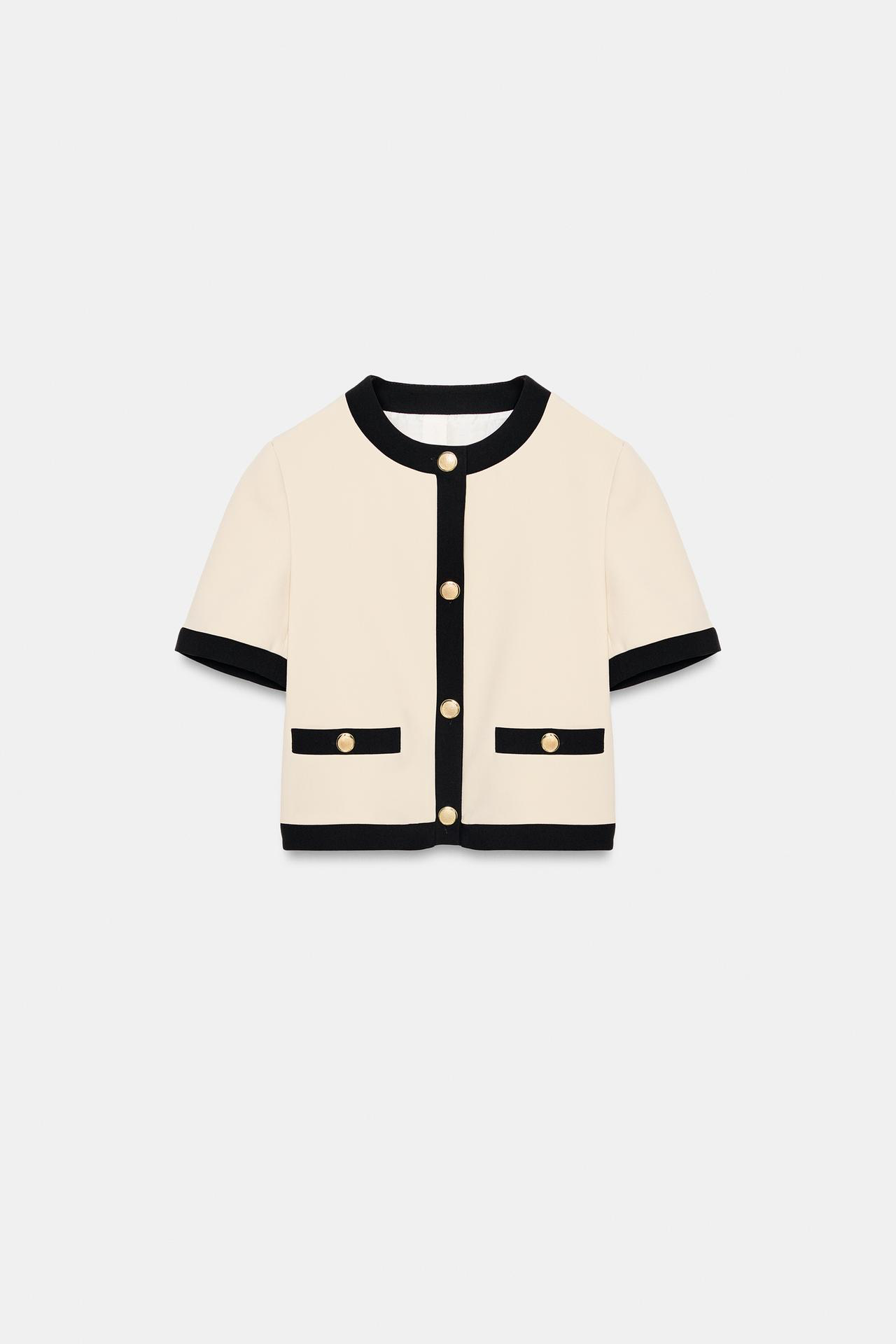
Zara short sleeve knit
So, it’s fair to say that, once a look becomes widely adopted, it loses its edge, forcing individuals into a constant cycle of renewal just to remain visually “relevant.” Someone who adopted a certain style before it became popular, is now seen as conformist, even though before they would have been considered individual.
The Rise of AI: algorithms
That cycle is now accelerated by digital culture. Platforms like TikTok and algorithm-driven feeds promote trending styles to influence its audience. Aesthetic identities like “clean girl” or “old money” (who remembers that?), rise and fall within months. AI deepens this pressure by predicting, curating, and even generating what is considered visually desirable. Therefore, more niche aesthetics like Japanese Gyaru subculture among many other marginalised aesthetics from homogenised AI media.
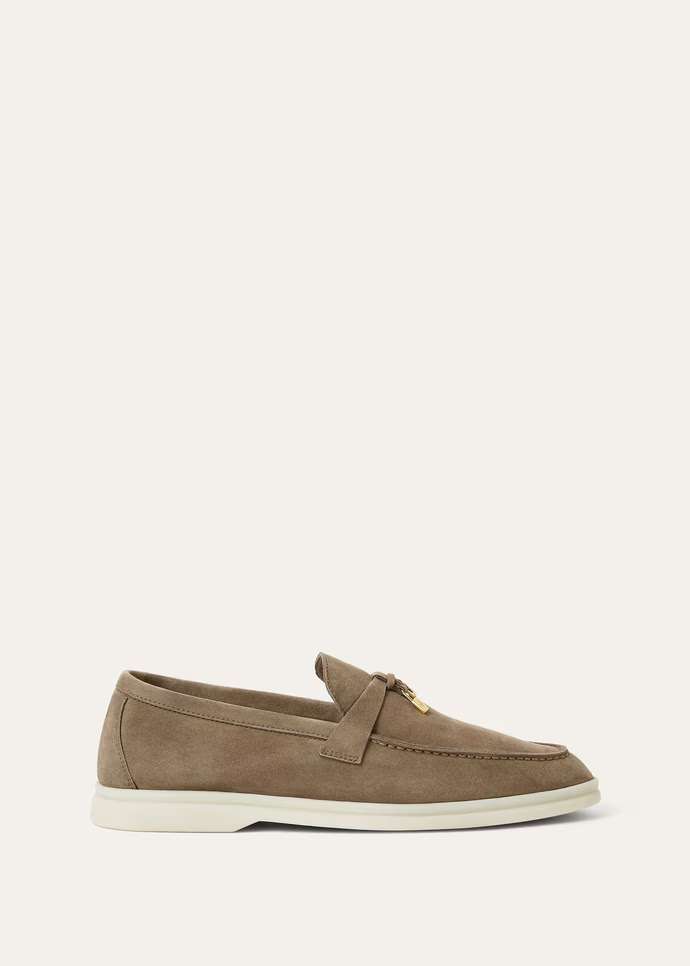
Loro Piana “Summer Walk”
For instance, have you ever been scrolling through your Instagram feed or looking through peoples stories and some sort of fashion advert pops up, from the top of my head, Aurélien adverts are very common on my feed with their Loro Piana inspired loafers at a more reasonable price. This shows that AI-powered recommendation systems on shopping apps actively construct your outfits for you. What feels like personal taste is often pre-filtered by machines trained on engagement, quietly narrowing individuality into what performs best online.
At the same time, mass-market platforms such as Shein intensify this diktat. When clothing is produced and consumed at such velocity, adding 2,000-10,000 new items daily according to Earth.Org, individuality becomes harder to sustain; the pressure shifts from expressing yourself to keeping up. So, does individual freedom really exist within fashion?
Yet fashion is also one of the most obvious forms of self-expression. There is no one telling you whether or not you are “allowed” to dress a certain way when you are out in the streets…
You simply do.
Contemporary fashion is characterised by diversity. There is no dominant silhouette or unified aesthetic. That is what makes fashion fashion. Everyone adopts different styles and intersects with people that adopt different styles every day: archival vintage sits alongside hyper-modern streetwear; structured tailoring exists beside deconstructed avant-garde experimentation.
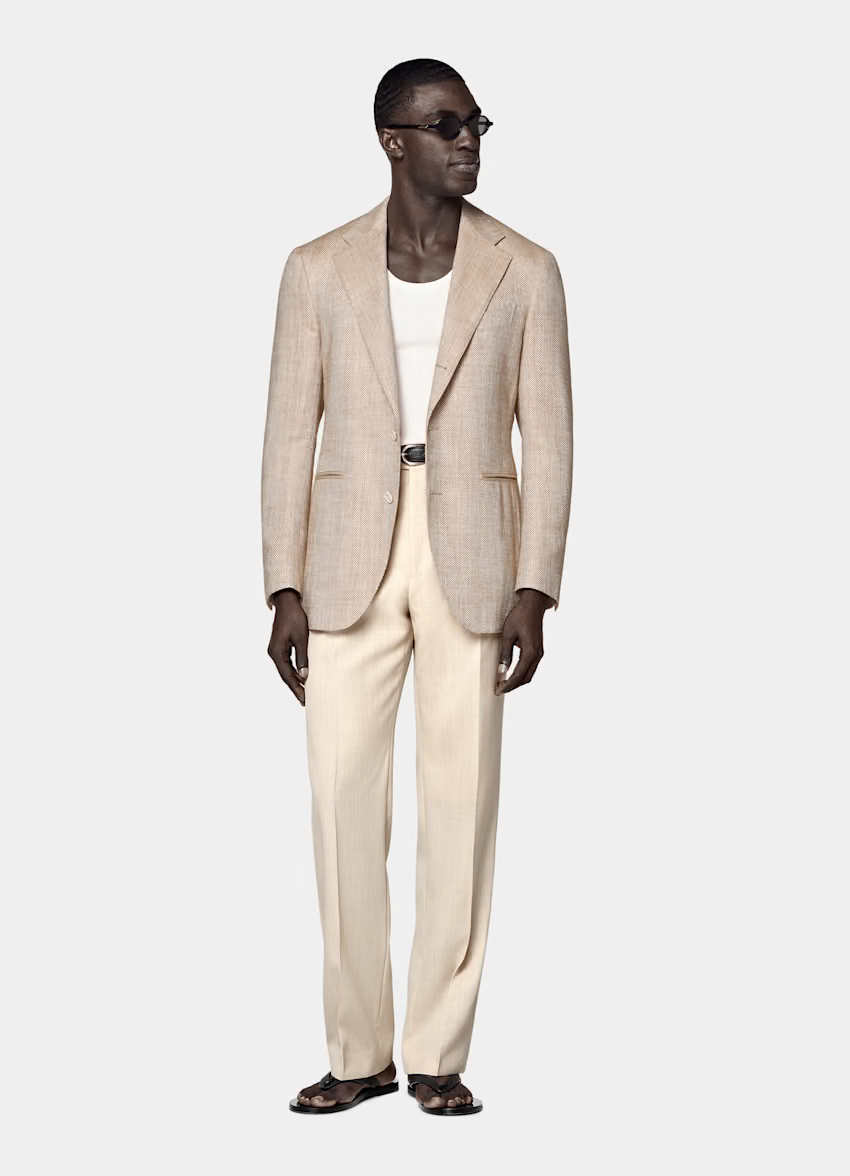
SuitSupply
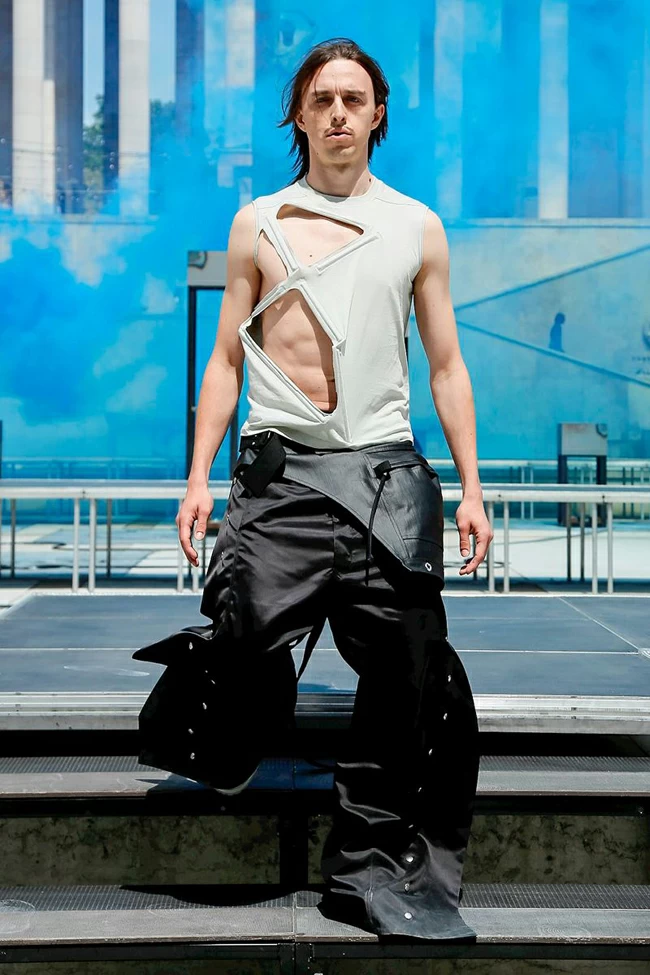
Tommy Cash in Rick Owens SS18
It is no longer necessary to align with a single “look” or brand identity. A person can move fluidly between aesthetics, formal one day, experimental the next.
The rise of androgynous fashion.
As a male, up until recently I had only ever shopped in the male section in stores like Zara or Massimo Dutti as shopping in the women section felt ‘embarrassing’. But, I feel like buyers put less of an effort into the men's section as they do the women’s since fashion is seen as more of a women’s sport.
Yes, basics are essential in everyone’s wardrobe but give us something fun, I wouldn’t mind a statement piece or two here and there. Yet, I nor should anyone else be embarrassed to shop in opposite gender categories. It is not the 1950s. I mean, really, what's the difference between a ‘womens’ long-sleeve t-shirt and a ‘mens’? Technically, there is a difference, men’s versions tend to be of a straighter cut with a broader fit through the shoulders and torso, while women’s versions are more fitted with narrower shoulders, a tapered waist, and often slightly shorter sleeves and length. But who says I don't want a fitted one? The point is you should not be afraid to mix and match between pre-assigned gender categories.
My line of thinking aligns with a consistent pattern in recent years with silhouettes and accessories crossing traditional gender lines. Male celebrities carrying handbags or wearing traditionally feminine cuts are no longer shocking but part of an evolving visual language. The same goes for women in the opposite direction. Designers, editors and public figures alike have helped normalise this shift, turning androgyny from provocation into banalisation.
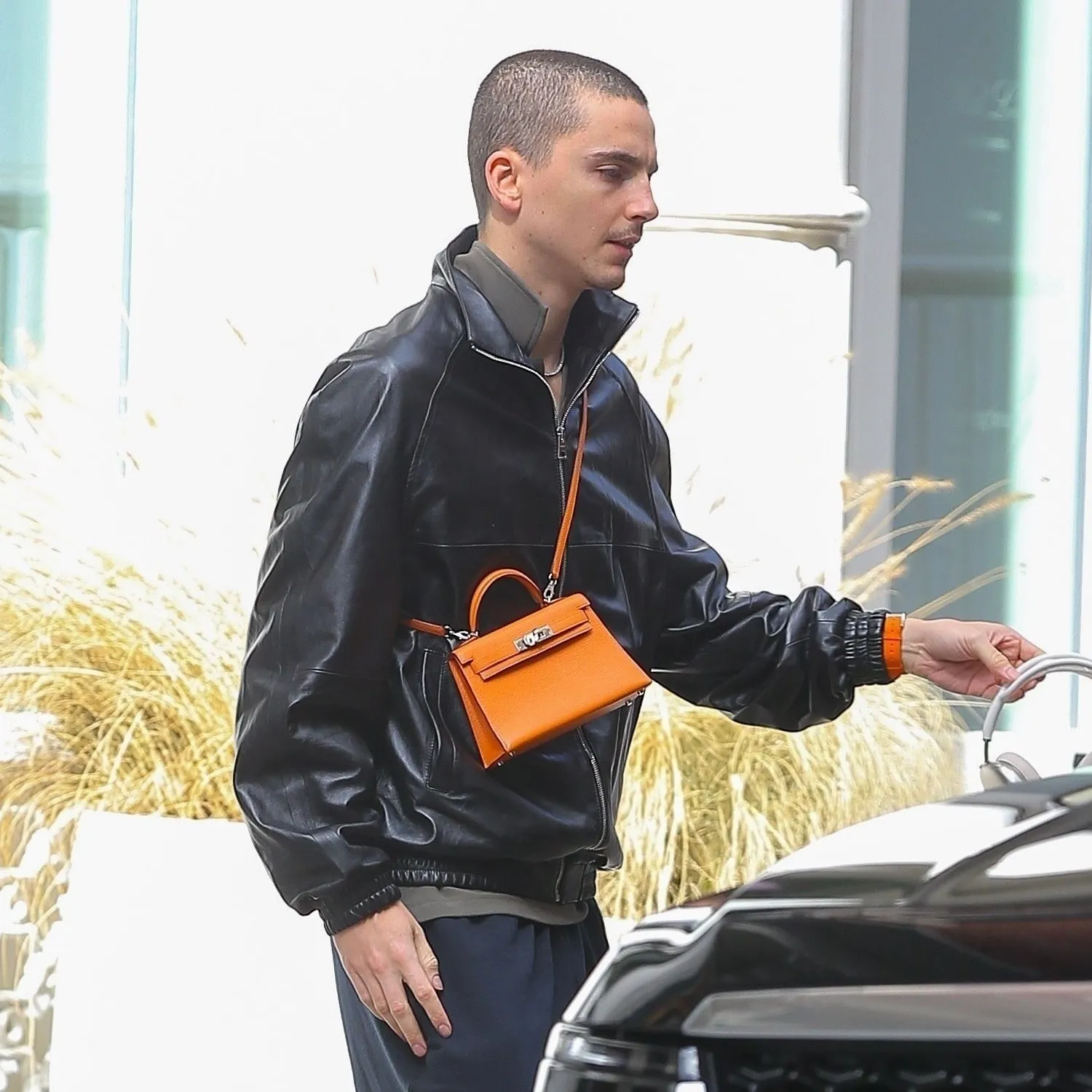
Timothée Chalamet wearing a Hermes mini Kelly
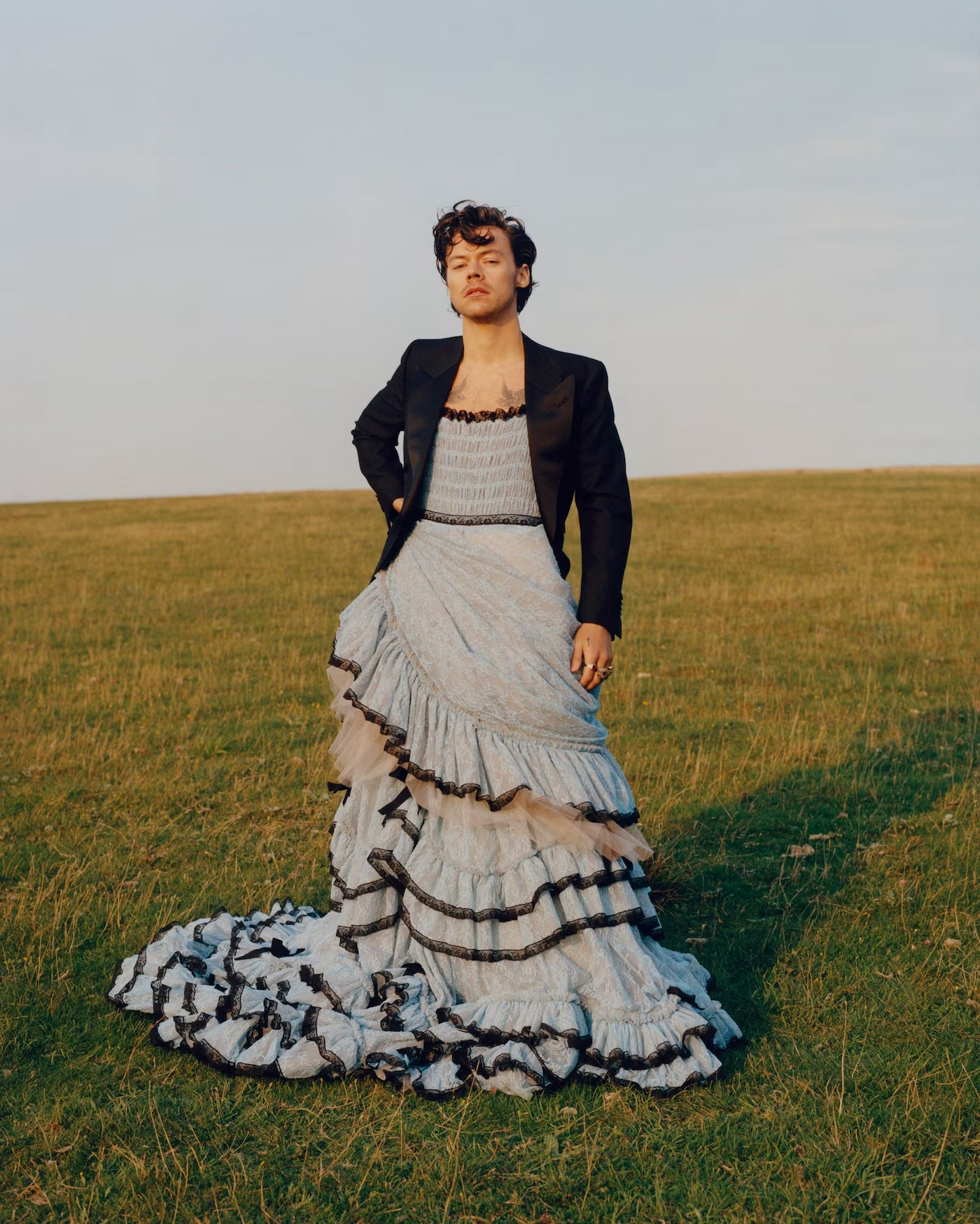
Harry Styles for US Vogue December 2020
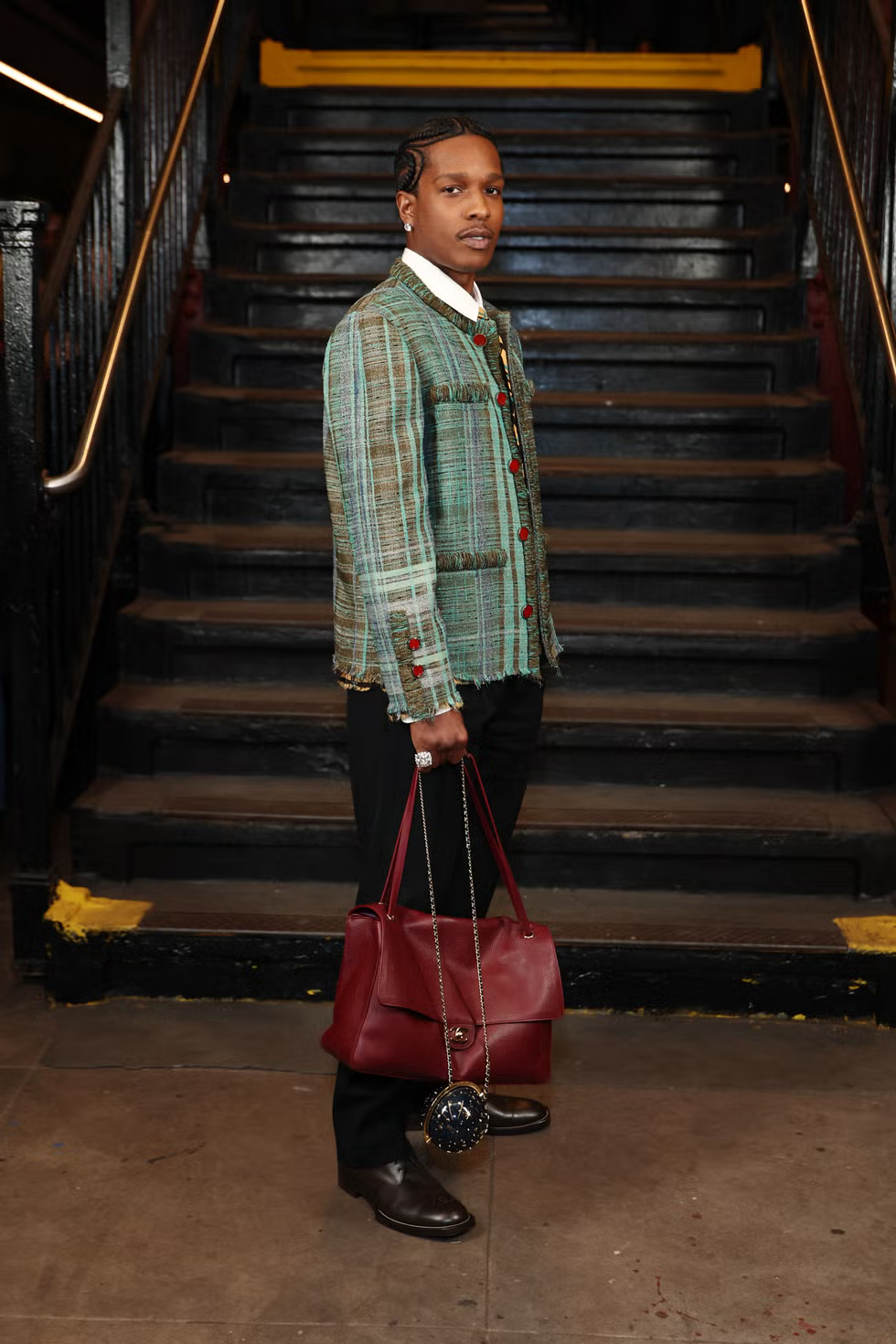
ASAP Rocky attending the Chanel Métiers d’Art SS26 Show in NYC
At the same time, freedom is increasingly economic.
Luxury fashion is no longer confined to those who can access new-season retail; it is being redefined through preloved markets, vintage sourcing, and digital marketplaces. This shift allows more individuals than ever before to participate in high fashion.
Even within the industry itself, boundaries are being challenged. Designers continue to question fashion’s internal logic through conceptual shows and provocative presentations that reject commercial expectations. What was once a closed system of seasonal authority is now regularly disrupted from within. For instance, the most recent show by Matières Fécales at Paris fashion week.
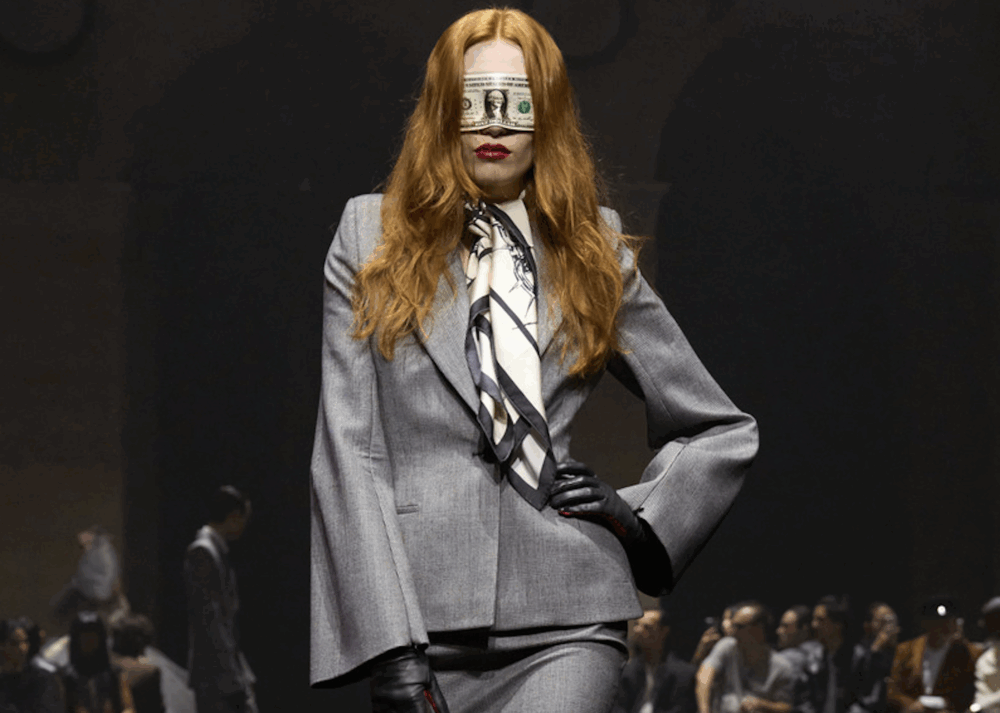
Matières Fécales “The 1%” - Look 22
Whether through thrifted styling, archival luxury, streetwear remixing, or entirely personal invention, individuals continuously reshape what fashion means simply by participating in it.
In this sense, fashion exists in tension: it can dictate and standardise depending on context but it can also be used to individualise and be creative.