Esther Perbandt on Blackhearts, berlin, and Why Black Will Always Be Her Greatest Canvas
The Berlin designer discusses her latest immersive presentation, the future of fashion technology, and building one of Germany’s most distinctive creative identities.
by Harrison Sutherland-Brook
Dance and fashion have always existed in conversation with one another. From the elegance of classical ballet to contemporary performance, movement has the power to transform garments into living works of art. Few examples illustrate this more beautifully than Halston’s iconic costumes for the Martha Graham Dance Company, a collaboration that demonstrated how clothing can become an integral part of storytelling rather than simply something to be worn.
It is within this artistic lineage that Esther Perbandt’s latest presentation, Blackhearts, finds its place.
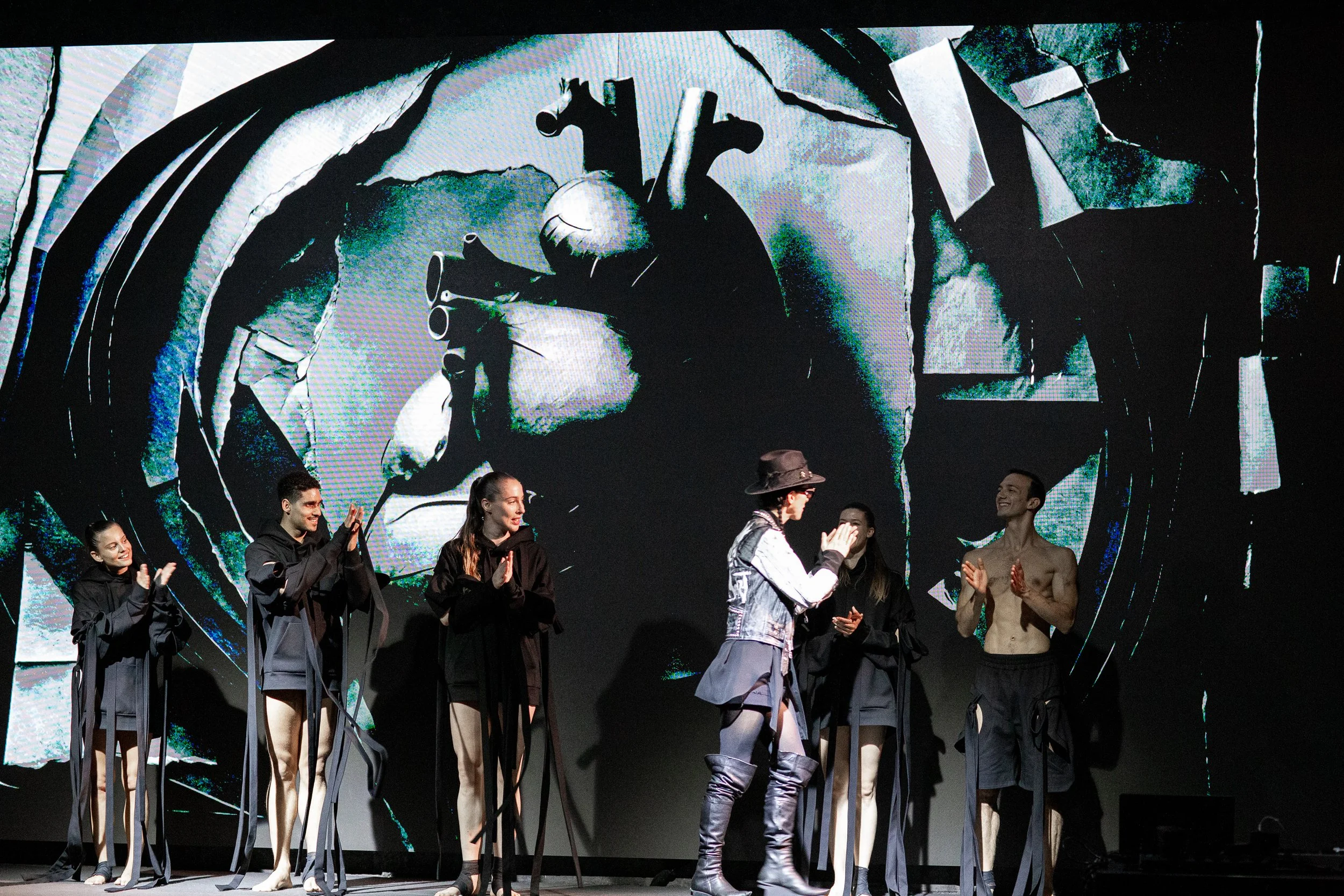
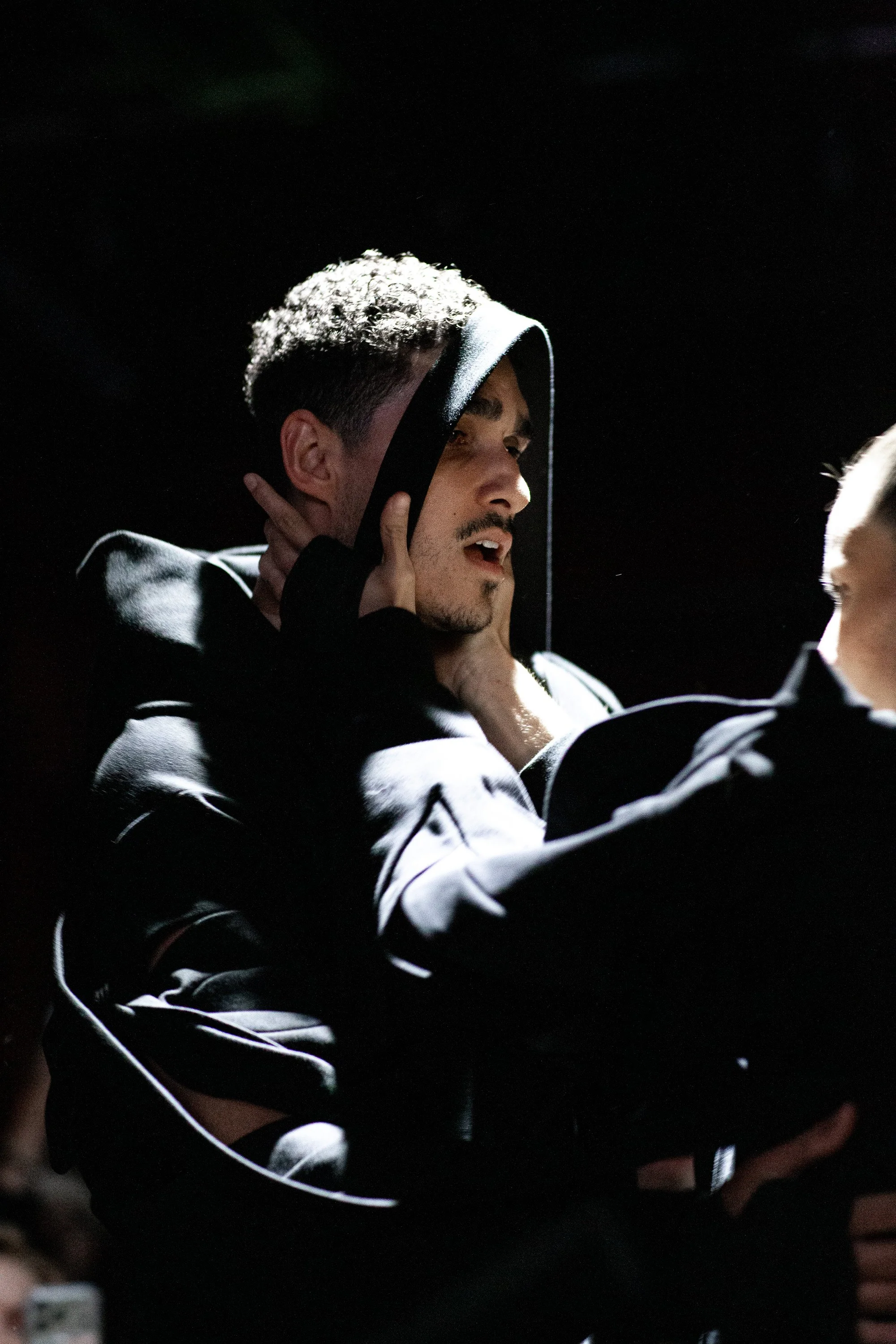
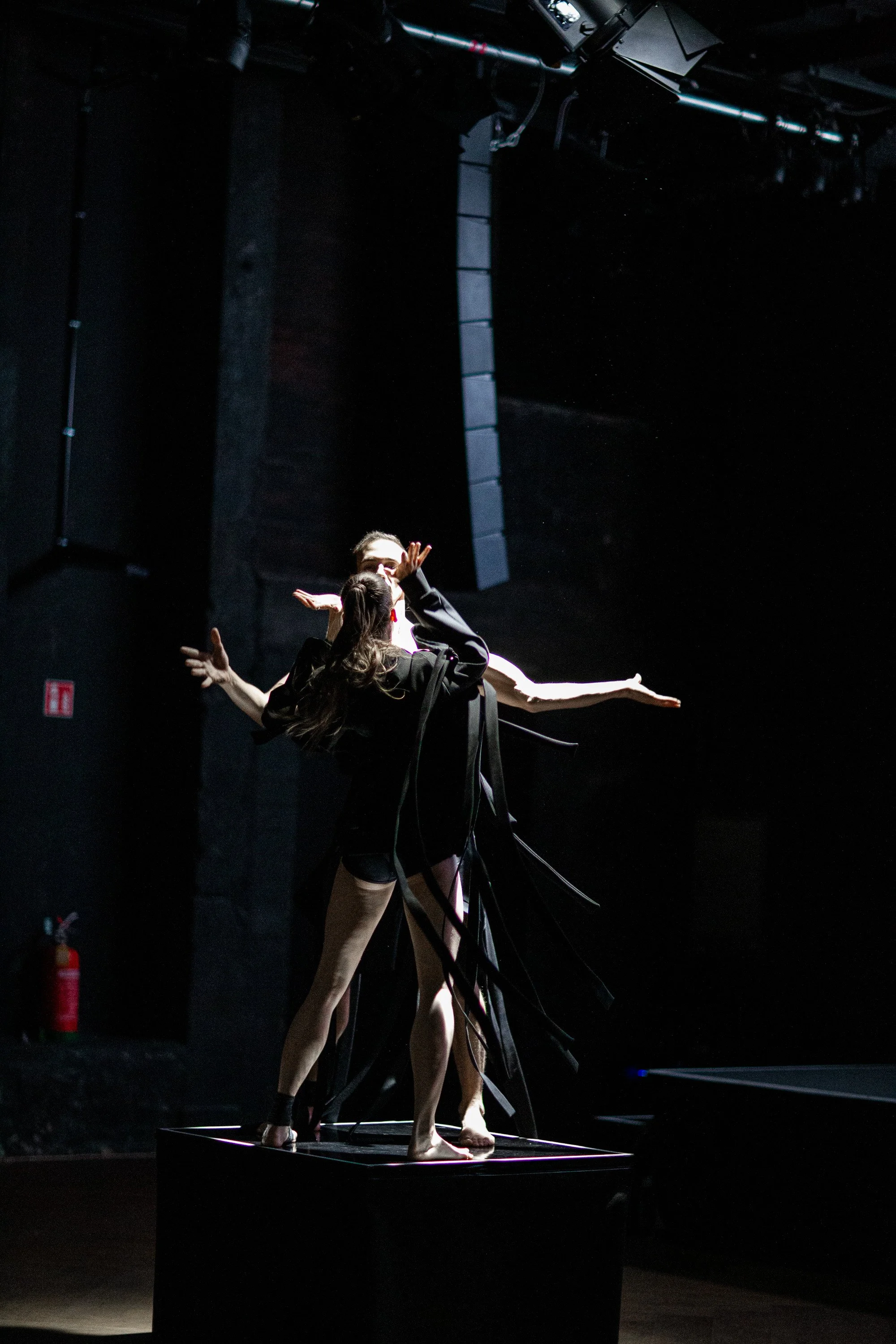
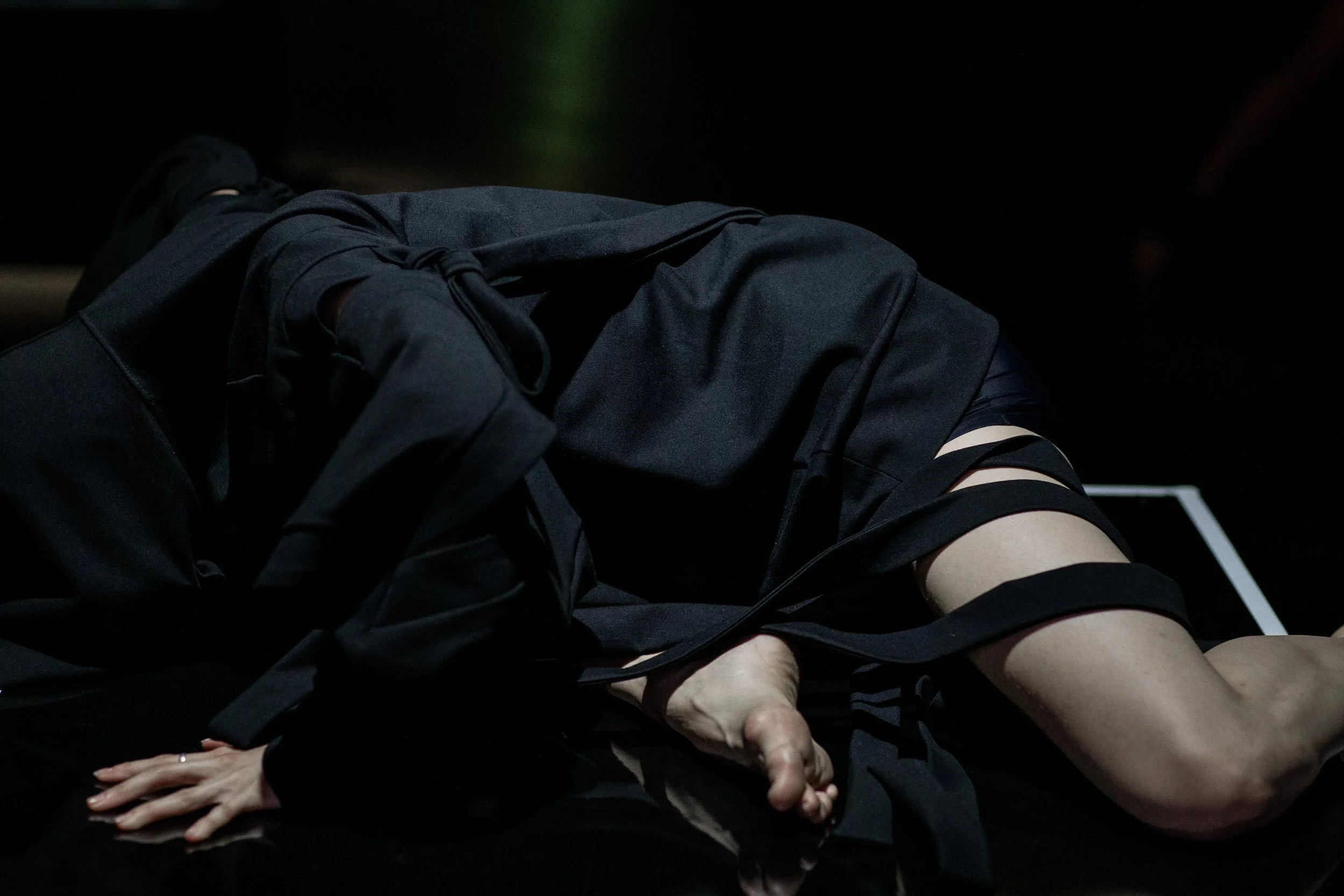
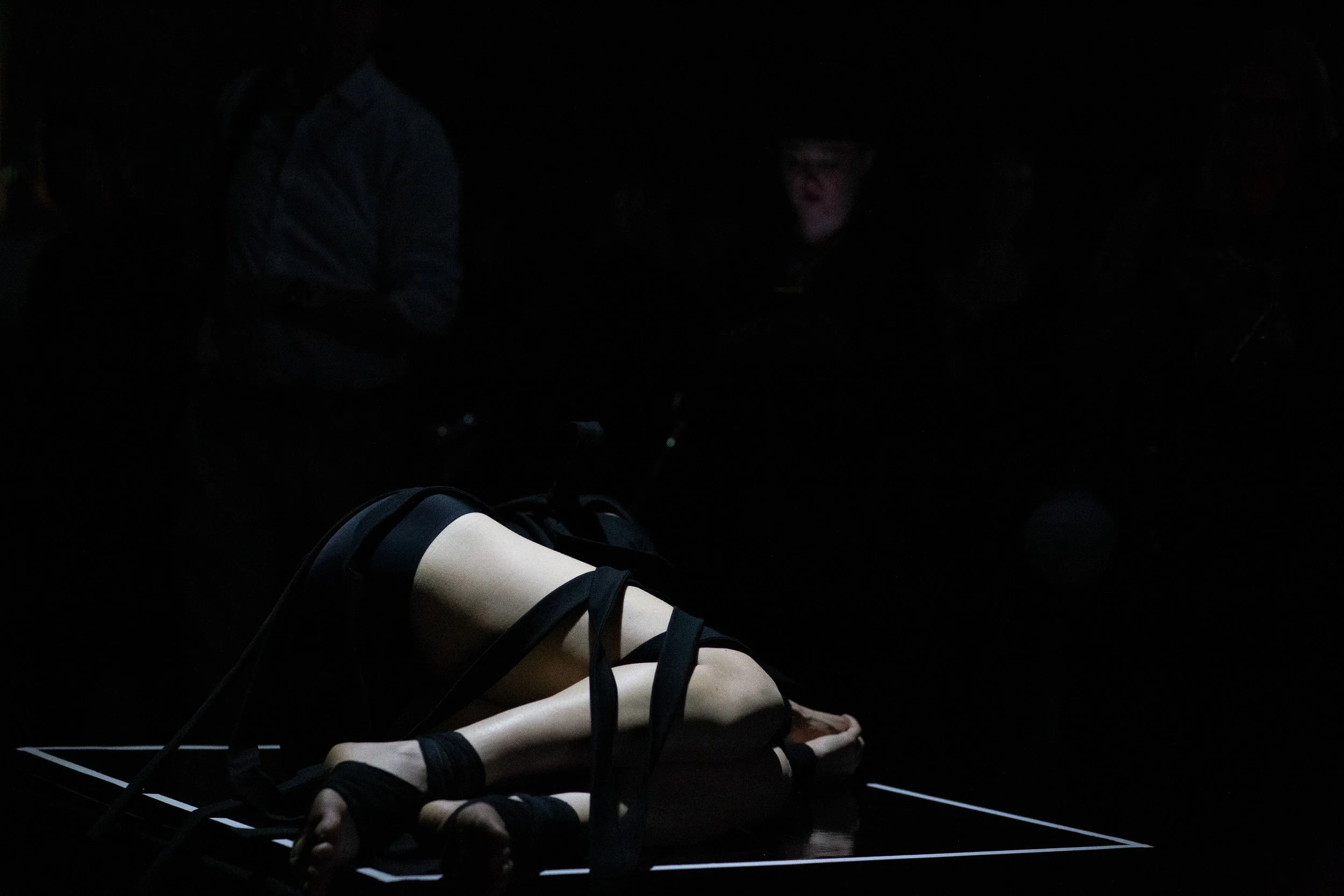
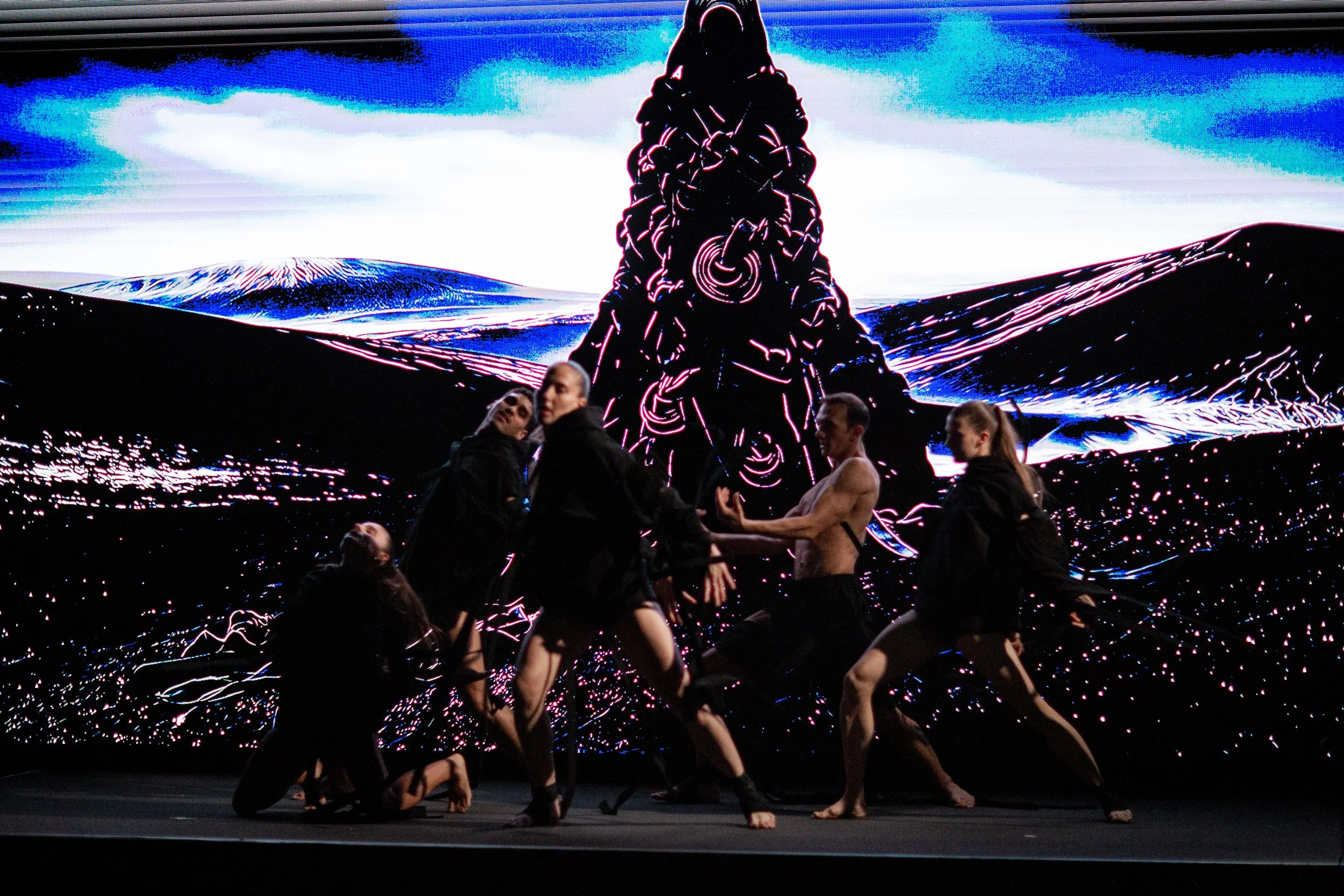
Presented at Fotografiska Berlin, Blackhearts blurred the boundaries between fashion, dance and technology through a live collaboration with techno ballet collective DANCÆ and composer Sven Helbig. Rather than staging a conventional runway show, Perbandt created an immersive experience where choreography became inseparable from the garments themselves, reinforcing her belief that fashion is at its most compelling when it moves.
Known internationally as the “Queen of Black” and recognised by audiences around the world through Making the Cut, Perbandt has spent more than two decades cultivating one of Berlin’s most recognisable creative identities. For Croix Magazine, she reflects on Blackhearts, the evolution of her brand, and the future of fashion in an increasingly digital world.
“I wanted the outfit to determine the entire choreography.”
CROIX: The Blackhearts presentation combined fashion with a live performance by DANCÆ. What inspired you to present the collection in this immersive format, and how did choreography influence the way the garments were designed or experienced?
ESTHER PERBANDT: For this season, I reversed the order.
Instead of beginning with a collection, I started by asking myself how I could continue doing what I truly love over the next 10 to 20 years in a fashion industry that is changing so rapidly. My focus shifted towards rebuilding my online platform, integrating new technologies and preparing the brand for the future. The relaunch includes a Digital Esther AI assistant, developed over the past six months with Lucca Elwood and Jenna AI, alongside virtual try-on technology that allows customers to experience every piece in different sizes.
I wanted to celebrate that relaunch with something special. For over twenty years I’ve created unconventional productions in Berlin, because for me fashion has never been just about the clothes. I love building worlds that invite people inside my imagination. This time, that included a ten-minute AI fashion film, which I creative-directed myself over nearly 300 hours.
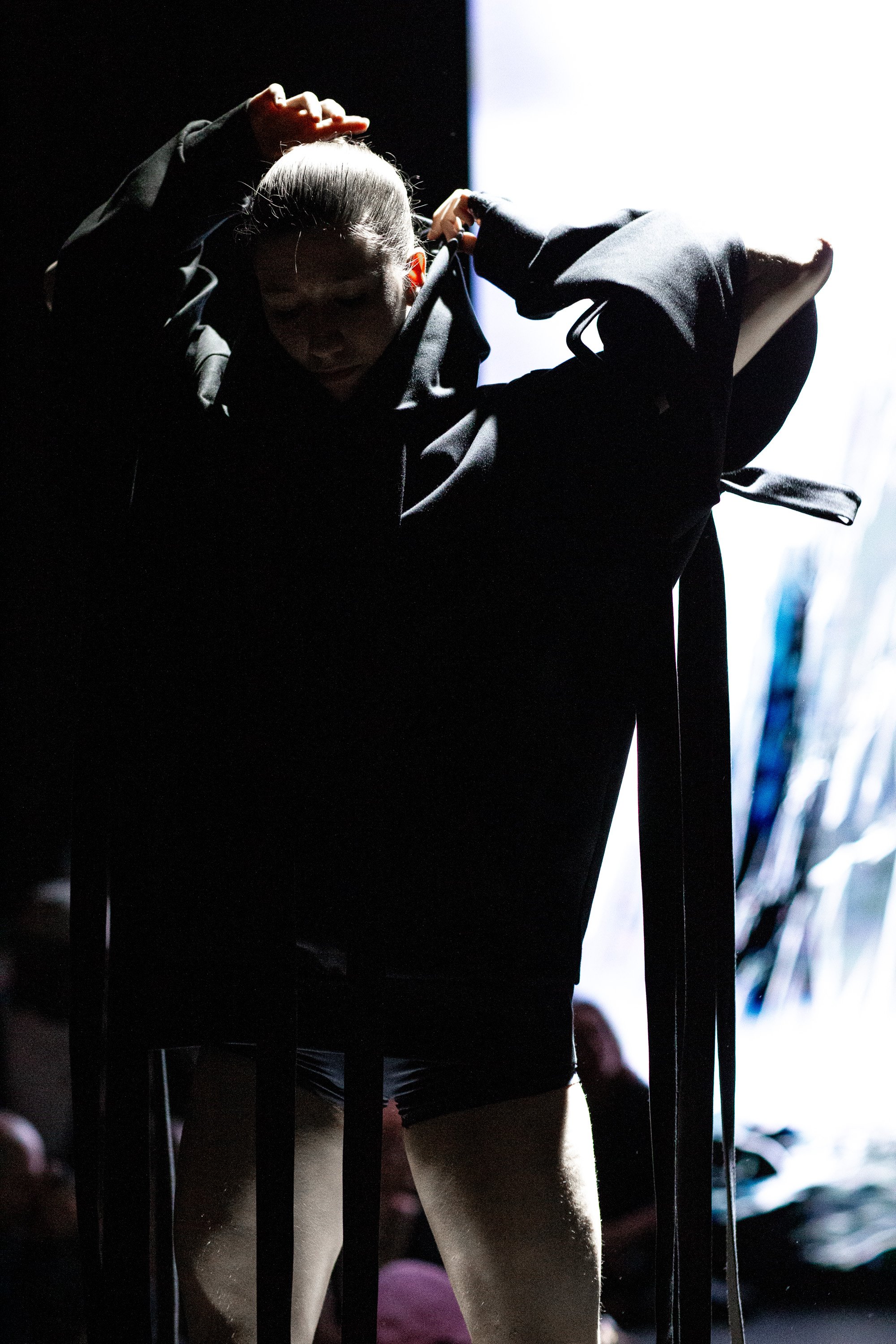
When it came to the live performance, I wanted to reverse another convention. Rather than designing clothes around an existing choreography, I created garments that would determine the choreography itself. The hoodies featured long ribbons, a recurring element throughout my work, which encouraged the dancers to occupy more space and move differently. Those movements ultimately became the choreography. While every presentation appears carefully planned, much of it comes from trusting over two decades of instinct, experience and understanding of atmosphere.
CROIX: Your work has earned you the title “Queen of Black.” What continues to draw you to black as a creative language, and how has your interpretation of it evolved throughout your career?
ESTHER PERBANDT: There were many reasons why I chose to work almost exclusively with black. Personally, it has always made me feel stronger, more protected, more elegant and more empowered. What fascinates me is how something so seemingly limited can actually become limitless. Black allows for incredible depth, intensity and creativity.
For years I’ve been inspired by French artist Pierre Soulages, whose work proved that black can create extraordinary relationships with light.
There was also a practical reason. Restricting my collections to black gave the brand a structure that made it more sustainable. I didn’t need to source entirely new fabrics every season, allowing the collections to evolve naturally over time.
Working exclusively in black also demands precision. Without colour to distract the eye, every cut, proportion and construction detail becomes visible. There is nowhere to hide. It is a challenge I continue to embrace, and although I’ve come a long way, I still believe there is more to discover.
“There is no flashy colour to distract from an imperfect fit. With black, you see everything.”
CROIX: Having reached an international audience throughMaking the Cut,how has that experience influenced your approach to design?
ESTHER PERBANDT: After “Making the Cut”, my audience became far more international. It also became both older and younger at the same time, which naturally changed what my customers were looking for.
Having run my own store for eighteen years, I’ve always had a close relationship with my clients. I know what they buy and what they expect, so the show didn’t suddenly teach me who my customer was. What it did do was broaden my understanding of the commercial fashion landscape. It made me realise the importance of creating accessible entry points into the brand. Many people connected with me personally and simply wanted something that allowed them to become part of my world.
I don’t see that as a creative compromise. It’s simply another part of building a sustainable business.
CROIX: Berlin has long been recognised as a city that encourages experimentation across fashion, art and music. How does the city’s creative energy continue to shape your collections?
ESTHER PERBANDT: Berlin has always been part of who I am because I was born here. It is in my DNA.
What continues to inspire me is that the city leaves space for people who don’t fit into traditional categories. I’ve never felt the need to separate fashion, performance, music or art—they have always belonged together. Unlike many fashion capitals, Berlin has never been obsessed with perfection. It values ideas, authenticity and experimentation, and that gave me the confidence to build a brand with a very clear identity and remain committed to it for more than twenty years.
Of course, Berlin also demands resilience. Surviving as an independent creative requires constant reinvention, and the city continues to evolve alongside the wider fashion industry. But it remains a place where different creative disciplines naturally collide.
“Berlin values ideas, authenticity and experimentation over perfection.”
CROIX: Looking ahead, where do you see Esther Perbandt evolving next?
ESTHER PERBANDT: Right now, I’m honestly just dreaming about taking a proper summer holiday. But I know myself well enough to know that feeling probably won’t last longer than a few days.
Soon enough, another idea will appear, another project, another beautiful dress or another obsession. I’ve learnt over the years that I can’t switch my creativity off for very long. It always finds its way back.
For over two decades, Esther Perbandt has quietly built one of Berlin’s most distinctive fashion identities, proving that a singular vision can remain both timeless and continually evolving. With Blackhearts, she once again dissolves the boundaries between fashion, performance and technology, reminding us that clothing is never simply something we wear - it is something we experience.
As the fashion industry continues to redefine itself in an increasingly digital age, Perbandt remains committed to the same principles that have guided her from the beginning: authenticity, experimentation and the enduring power of black.