
Fashion and the Epstein files: six degrees of separation?
The dark underworld of the fashion industry
by Louis Lorgis-Leech
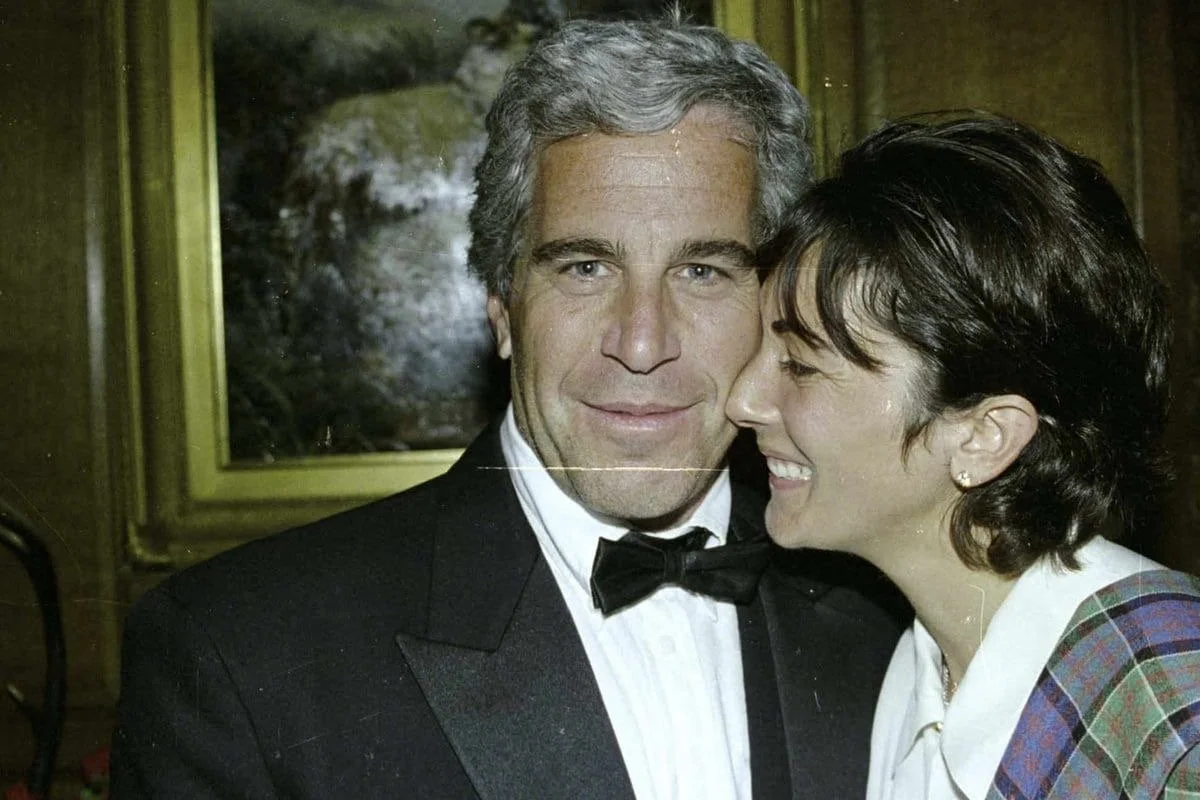
The fashion industry is associated with glamour, influence, and exclusivity, but behind closed doors lies an alarming network of power and exploitation. From Victoria’s Secret to haute couture, Jeffrey Epstein leveraged elite connections to manipulate and prey on aspiring models, all under the protection of wealth and status. This isn’t just a story about individuals, it’s about the structural dynamics of privilegethat let misconduct thrive, often unchallenged, with ongoing parallels in the industry today.
Les Wexner: The Catalyst
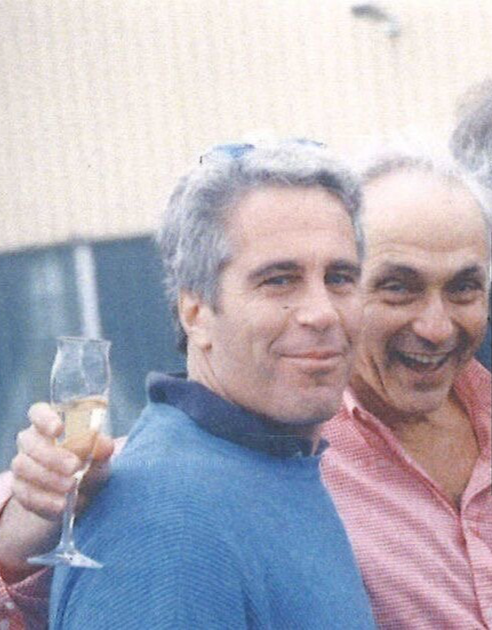
Leslie Herbert Wexner used to own the conglomerate L Brands which included renowned retailers such as Victoria’s Secret as well as Bath & Body Works. The relationship between Les Wexner and Jeffrey Epstein started to form in the mid to late 1980s. Through this rapport, Epstein was able to infiltrate the highest levels of the fashion world through acting as Wexner’s personal multi-billion dollar financial manager from 1987 up until 2007. Given this, Epstein was able to present himself as a legitimate gatekeeper for Victoria’s Secret, a position he used to lure aspiring models into private meetings under the guise of talent scouting. This access was further enabled by a toxic culture at L Brands, where top executives like Ed Razek presided over an environment of pervasive misogyny and harassment, often ignoring internal warnings about Epstein’s predatory behaviour. For example, in 1993 Fedus-Fields, the then CEO of Victoria’s Secret took this information directly to Les Wexner, warning him that Epstein’s behaviour was a significant liability and that he had no authorized role in the company’s casting or recruitment. According to Fedus-Fields, Wexner’s response was a brief assurance that he would “take care of it."
Evidently, this did not happen.
Model & actress Alicia Arden detailed in a 1997 police report how Epstein misrepresented himself as a Victoria's Secret recruiter to lure her into a hotel room at a Santa Monica hotel, where he allegedly groped and manhandled her. This was not just a one-off event, but part of a wider pattern of similar allegations.
Despite continued internal warnings within L brands, especially Victoria's Secret; Wexner maintained his close ties with Epstein for another 14 years, effectively allowing him to operate within the fashion elite with total impunity.
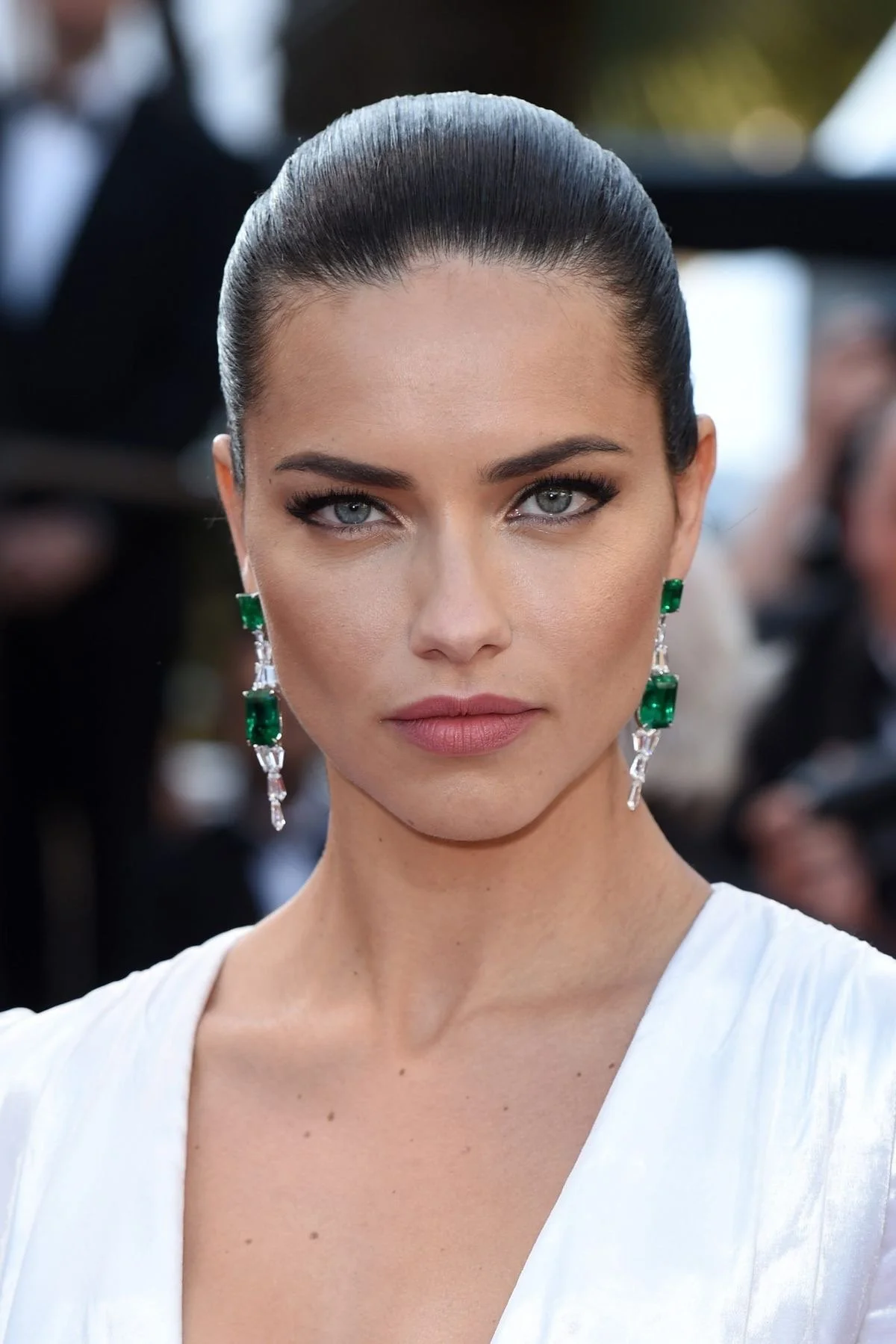
Adriana Lima - Victoria’s Secret Angel
Where Epstein once weaponized the "Angel" mythology to lure women into unmonitored hotel rooms with the promise of a career, modern recent legislative efforts like the 2025 New York StateFashion Workers Act now seek to strip management companies of the very legal loopholes Epstein exploited, specifically the lack of fiduciary oversight and the use of predatory NDAs. However, in other prevalent cities for models such as Paris & Milan the regulatory oversight for models tends to be more outdated in comparison to the recent law in New York. For example, in Paris models are protected under the “Code du travail” the regulations remain largely procedural, that is to say, focused on agency licensing, written contracts, and wage guarantees without addressing systemic power abuses. Essentially, it is reactive not proactive.
Despite more recent measures in place like that of New York to protect models’ rights, there is a possibility that if models experience any of these power structure loopholes they may not report it out of fear or career risk. However, it is important to note that organisations like the Model Alliance and state labour authorities can investigate and audit agencies independently, reducing reliance solely on model complaints. While the law is not a complete safeguard against all forms of abuse, in my opinion it represents a meaningful step in the right direction by creating structural accountability, transparency, and legal consequences that were largely absent before.
This increase in visibility in recent years of model exploitation have led to certain movement such as #MyJobShouldNotIncludeAbuse started by model Cameron Russell in 2017 publishing hundreds of anonymous accounts of abuse, eventually exposing powerful photographers such as Mario Testino & Bruce Weber, after survivors felt empowered to speak collectively.
The transition from the Wexner-Epstein Victoria Secret era to the present represents a fundamental shift in where authority resides: it has moved from the untouchable executive, to a collective, digital audit by global audiences and workers who are no longer afraid to expose systemic abuse.
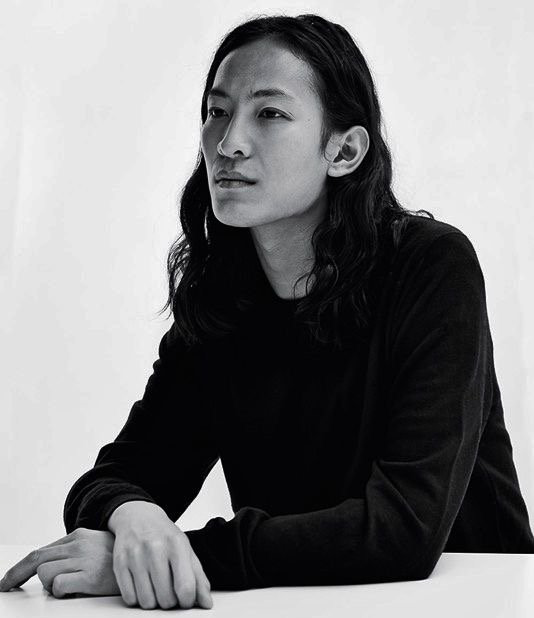
Alexander Wang - American Fashion Designer
Alexander Wang & Riccardo Tisci
In late 2020-early 2021, at least 11 individuals have accused Wang of sexual misconduct by exposing himself to fashion students, to models & to other people in nightclubs. The number of testimonies is alarming. “He just started touching me up. Fully up my leg, in my crotch. It made me freeze completely because I was in so much shock.” – Owen Mooney (one of Wang’s alleged victims, a British model)
Initially Wang denied these claims but then met with his accusers and stated: “I support their right to come forward, and I’ve listened carefully to what they had to say. It was not easy for them to share their stories, and I regret acting in a way that caused them pain”. But then he states that they: “disagree on some of the details of these personal interactions”.
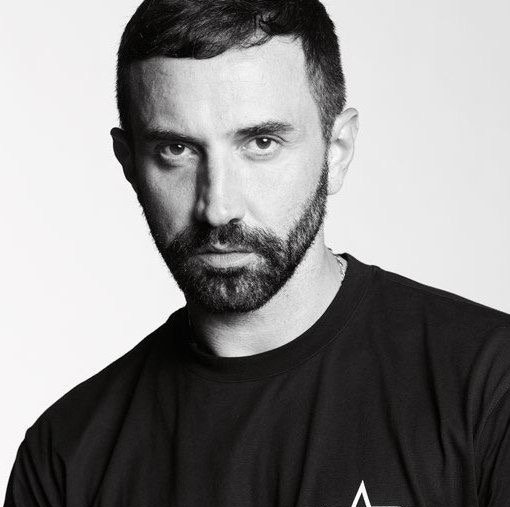
Riccardo Tisci - Former Artistic Director of Givenchy and Burberry
Additionally, in 2025, Tisci, the former creative director of respective houses Givenchy & Burberry, was accused of drugging a man’s drink & sexually assaulting him back at Tisci’s home back in 2024.
Tisci has denied everything, however, the lawsuit is still ongoing & has not been entirely thrown out by the judge.
“Categorically untrue” – Riccardo Tisci
Given that Tisci’s case is still active in court, numerous people in the fashion world appear hesitant to make public statements, likely to avoid legal complications or appearing to make a judgment before the matter is resolved.
The allegations against Wang and Tisci highlight similar patterns in the fashion industry, where powerful figures use status and access to exploit others while many remain silent.This mirrors how Epstein leveraged his connections to infiltrate elite circles, showing recurring dynamics of influence and protection within interconnected networks.
Furthermore, like Epstein, who resolved some allegations through private settlements to avoid public accountability, Wang also reached confidential agreements with his accusers, while Tisci’s ongoing, unproven lawsuit shows how powerful figures in fashion can delay consequences. These patterns leave victims waiting for justice, illustrating how wealth and influence can shield alleged perpetrators across the industry.
Naomi Campbell: Ignorance is Bliss?
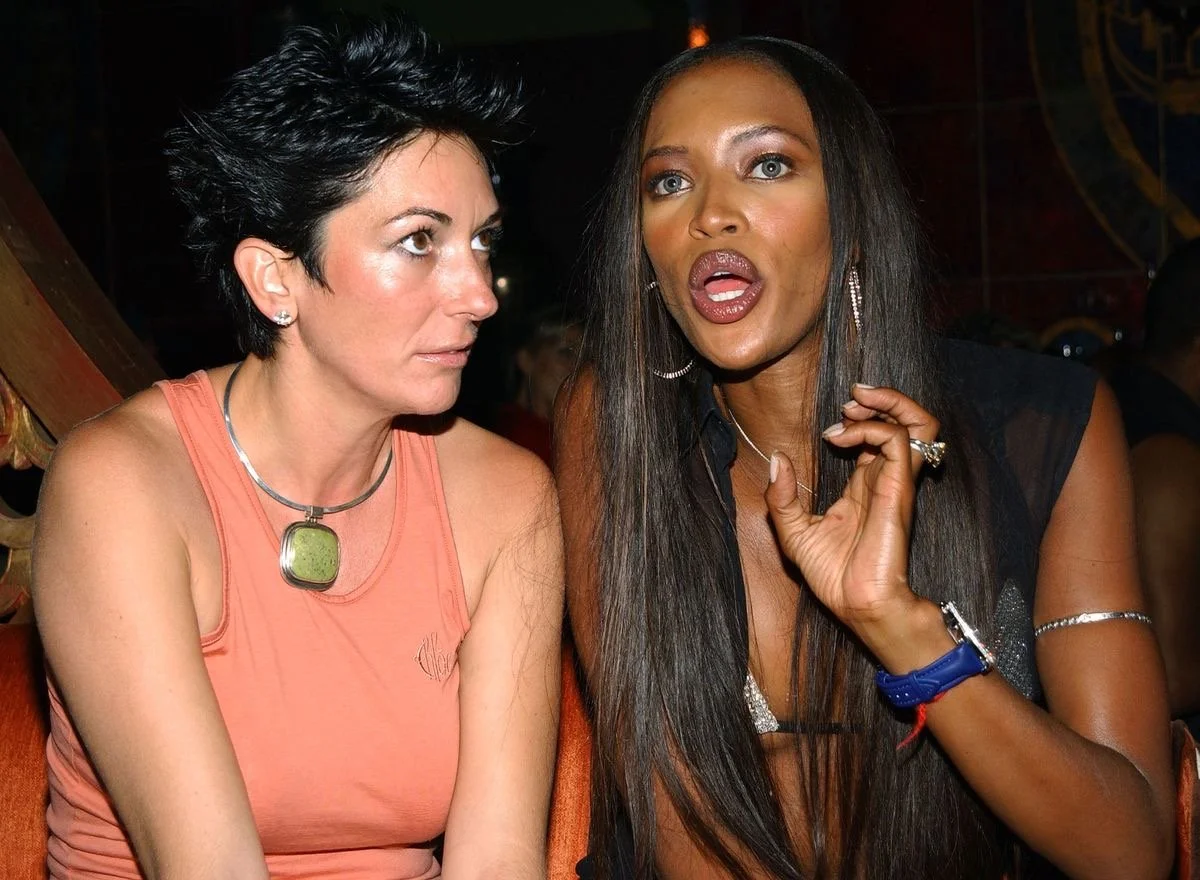
Naomi Campbell pictured with Ghislaine Maxwell
Naomi Campbell’s connection to Jeffrey Epstein appears in public records mainly through social overlap, not proven criminal involvement.
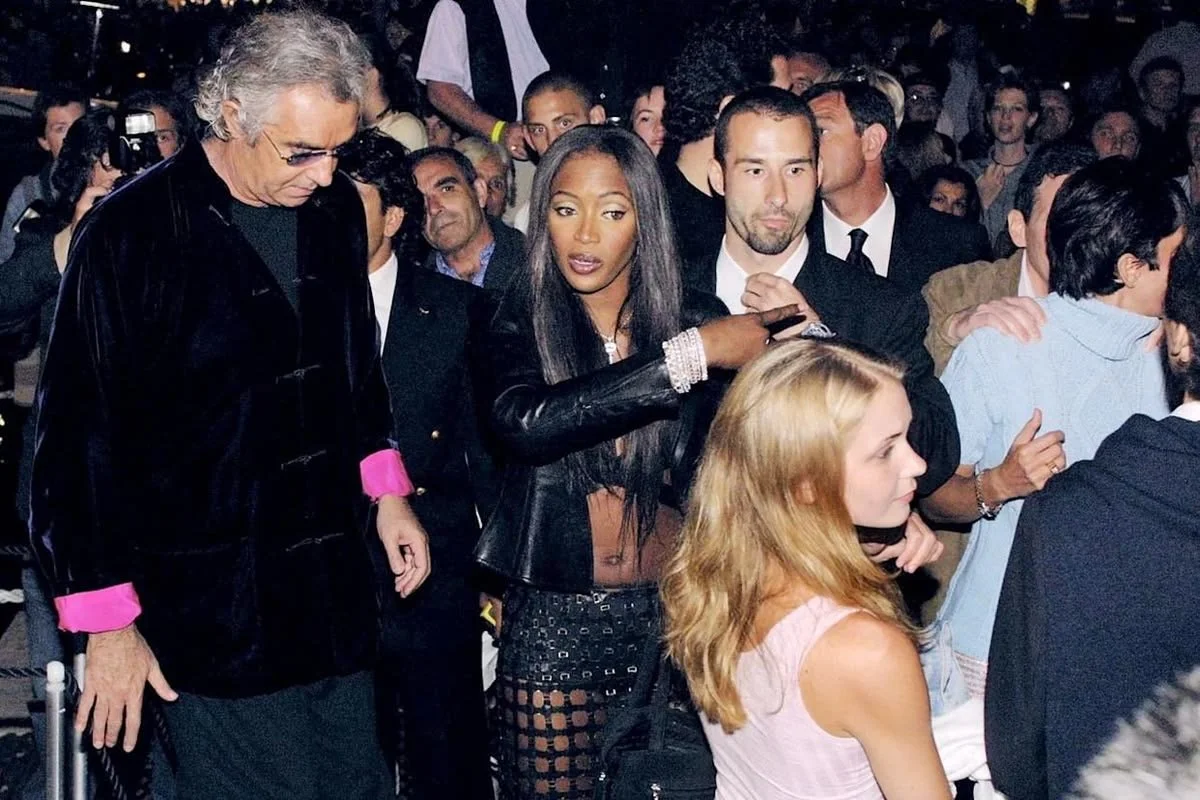
Flavio Briatore pictured close to Epstein accuser, Virginia Giuffre, at Namoi Campbell’s 31st birthday party in St Tropez - 2001
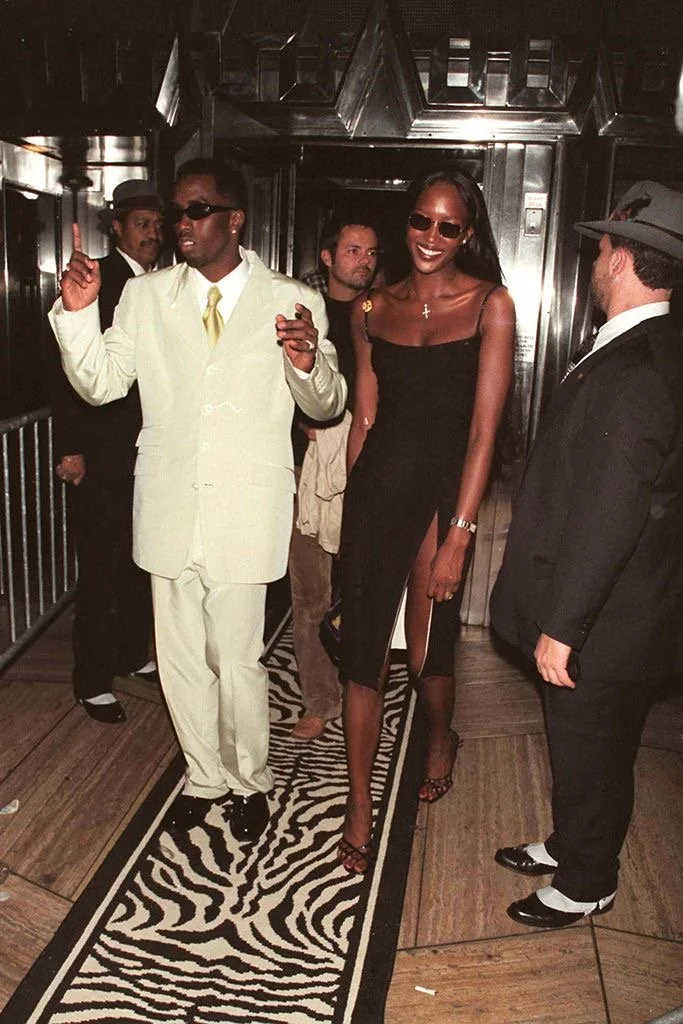
Sean (P-Diddy) Combs and Naomi Campbell
Campbell and Maxwell moved in similar elite social circles, and Maxwell is widely understood to have introduced Epstein to many high-profile figures, including people in fashion. Naomi was actually introduced to Epstein through ex-boyfriend Flavio Briatore (pictured above). Her name appears in flight logs and reports of social gatheringsincluding yacht settings, indicating she spent time in the same environments as Epstein. She was even mentioned in his “black book” of contacts. There have been claims and rumors regarding Naomis involvement in the procurement of girls for Epstein and other associates of hers, but no substantiated evidence or legal finding that Campbell procured or supplied girls to Epstein. It is alleged the girl in the pink top above, probably the most famous of Epsteins victims - Virginia Giuffre, was procured by Campbell for Epstein. Is it possible that she procured them through her relation to Maxwell acting as an intermediary between Campbell & Epstein?
This makes me think of the Diddy, (Sean Combs), case which involved sex trafficking, where influential people in fashion like Paris Hilton were also associated with him through the same parties & networks.
The Balenciaga “Gift Collection” campaign, 2022
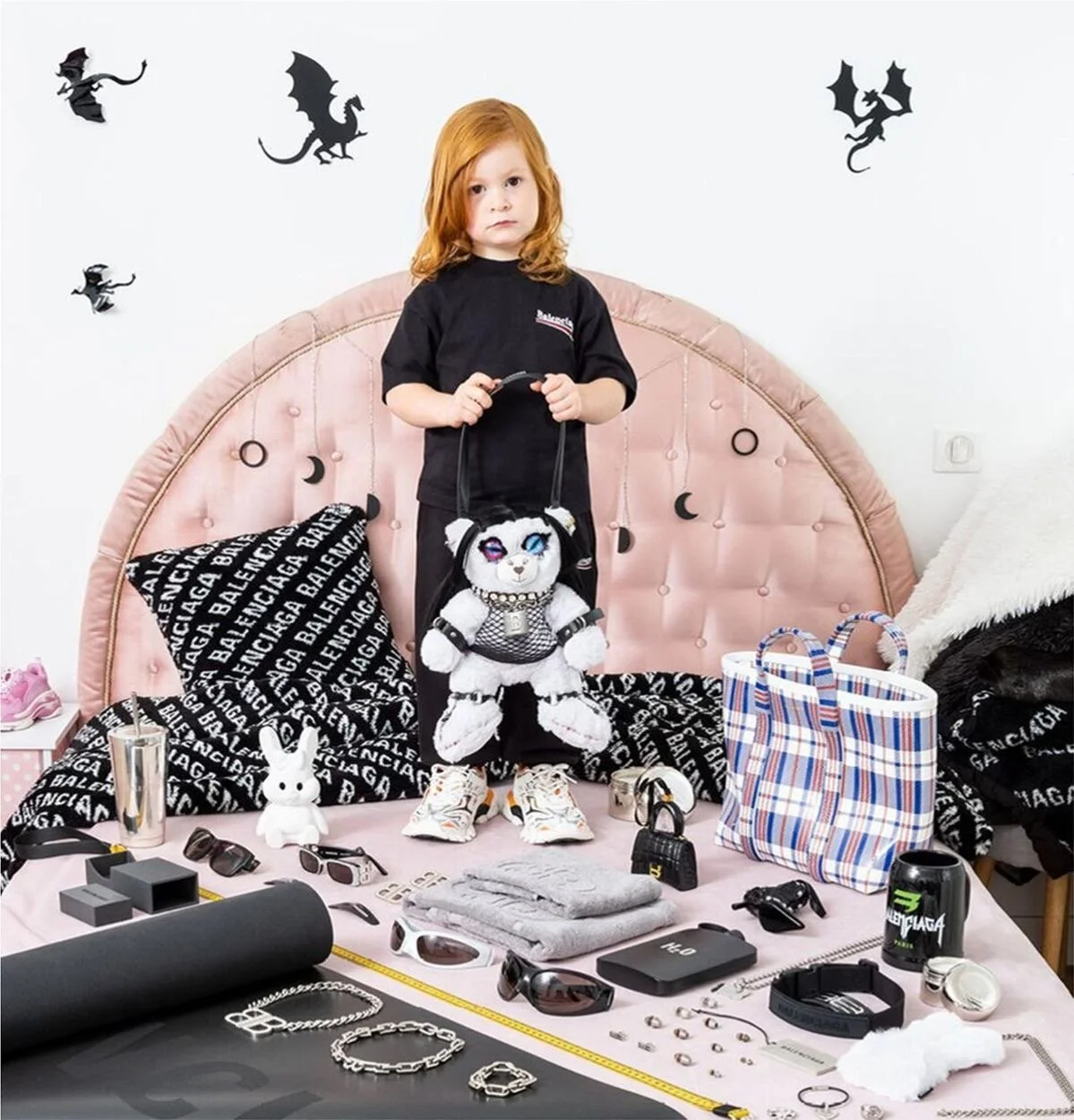
Now, in terms of how all of this relates to the luxury fashion industry: the controversial Balenciaga “Gift Collection” campaign in 2022, although nothing to do with Epstein, it was criticized for the sexualization of children by holding teddy bears in bondage gear , can be seen as part of a broader pattern in which elite networks operate with limited accountability. Just as individuals socially proximate to figures like Jeffrey Epstein often circulated freely in high-profile industries without facing consequences, powerful brands and their collaborators can push boundaries or circulate problematic imagery while largely avoiding scrutiny in the long-run.
Whilst the brand did apologise due to the significant scrutiny around the campaign from brand ambassadors such as Kim Kardashian, she still continues to represent the brand today being featured in more recent campaigns like the “Characters.”
“I have been quiet for the past few days, not because I haven’t been disgusted and outraged by the recent Balenciaga campaigns, but because I wanted an opportunity to speak to their team to understand for myself how this could have happened. As a mother of four, I have been shaken by the disturbing images. The safety of children must be held with the highest regard and any attempts to normalize child abuse of any kind should have no place in our society - period.” - Kim Kardashian in response to Balenciaga’s Gift Collection campaign.
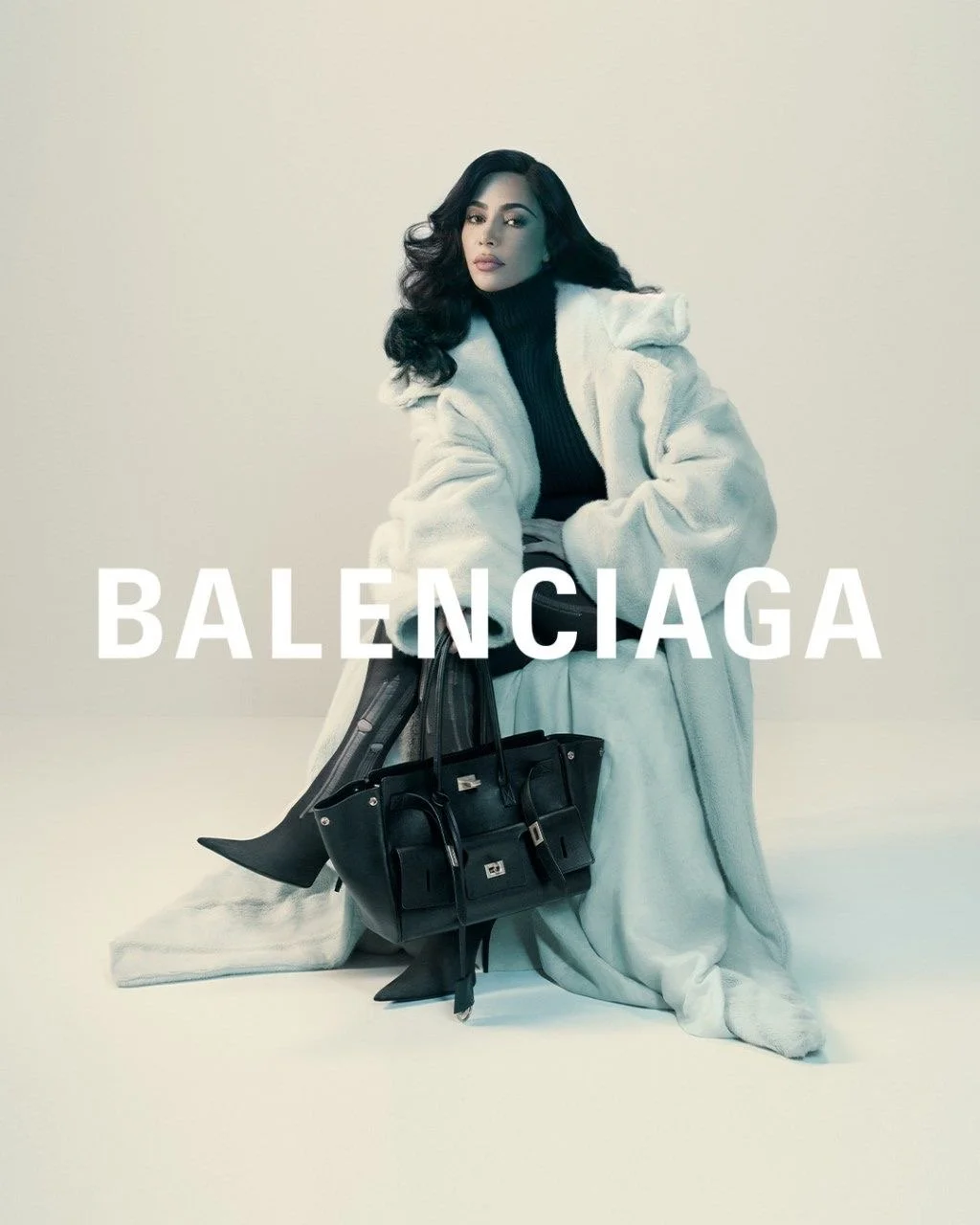
Balenciaga ‘Characters’ Campaign featuring Kim Kardashian
The “Characters” campaign thus reflects not just a lapse in judgment but the structural dynamics of privilege: visibility, influence, and elite connections often insulate actors from accountability, allowing harmful or ethically fraught material to enter mainstream spaces before repercussions occur. This is proven by the fact that Demna ,the creative director at the time, is now the creative director for Gucci. Anyone else noticing how, just like Epstein’s network, influence and connections keep past wrongdoing unchecked?
Further designers, like Azzedine Alaïa as well as Vera Wang have both socialised more than once with Epstein. Past emails show that Alaïa invited Epstein to dinners at his home from 2014-15! In addition, Vera Wang’s name has appeared in Epstein’s emails as well. For example, Epstein attended one of her fashion shows in 2010 & it seems to me that they had a more personal connection with messages being left for Epstein to call Wang’s team back.
In contrast, with emails again as the main source, Epstein contacted Hermès in 2012 asking if they could redesign the interior of his private jet, to which they declined the request not once, but twice with CEO Axel Dumas declining multiple follow-up requests from, one-two years later.
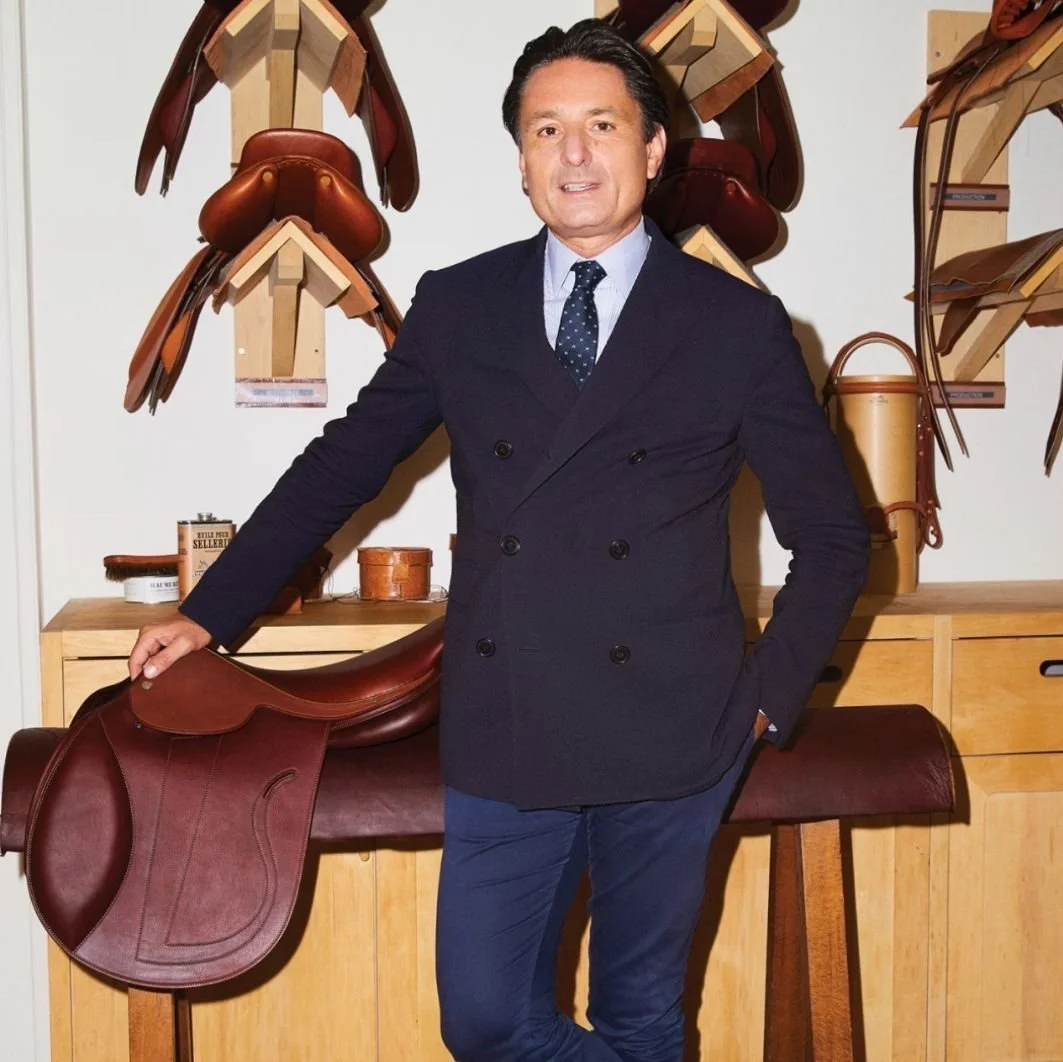
Axel Dumas, Hermes CEO
Now, the argument that Alaïa & Wang did not know about his criminal activity, yet, Hermès even before, for example, Alaïa inviting Epstein to his home, did not associate itself with him raises suspicion. For example, 2006 was the first time that Epstein was formally charged with multiple counts of sexual misconduct involving minors. But, Alaïa & Wang were totally unaware of these legal proceedings? Or just chose to ignore them? Or even so, not believe them? Though there is no evidence that they they did not necessarily believe that he was guilty of his sexual misconduct, the fact that they still associated with him post-2006 does show a troubling willingness to maintain social and professional ties despite public knowledge of his criminal behaviour, highlighting at minimum a lapse in judgment and, at most, a complicity innormalizing his presence within elite fashion circles.
It has been reported from multiple sources that Epstein would name drop all of his connections in the fashion industry to exert power over young women from Naomi Campbell & Azzedine Alaïa to Les Wexner & Vera Wang.
“I never knew he was using my name in any capacity, and it horrifies and repulses me to now hear that he did so.” - Vera Wang
Ethical theory suggests that turning a blind eye, even without direct knowledge of wrongdoing, constitutes a form of structural complicity. In environments where misconduct is visible or rumoured, maintaining ties can implicitly normalize the presence of a predatory figure even if the sole reason for maintaining ties is for survival in an extremely competitive industry like fashion.
So, from my perspective, it’s hard to tell if Wang’s regret, as an example, is fully sincere or just a way to protect her reputation after Epstein’s name-dropping came to light.
From my point of view, anyone mentioned in this article who had ties with Epstein seems to suddenly be ‘shocked’ or ‘appalled’ by his actions in interviews, making it out as if they never really knew him. Therefore, attempting to construct a narrative that distances themselves from his misconduct comes off as disingenuous, avoiding accountability, trying to shape public perception. I know that I’m not the only one who isn’tbuying it.
From Wexner to Wang to Balenciaga, Epstein’s web serves as an example as to how visibility, influence, and elite networks shield wrongdoing. In an industry built on access and aspiration, turning a blind eye becomes easier than accountability, but the rise of advocacy, legislation, and collective scrutiny shows that even the most untouchable figures can no longer operate entirely in the shadows. Yet for many of those who maintained ties, public shock feels performative, leaving readers to wonder: how much of this apology is ethics and how much is image? Would they have apologized if nothing had been exposed?