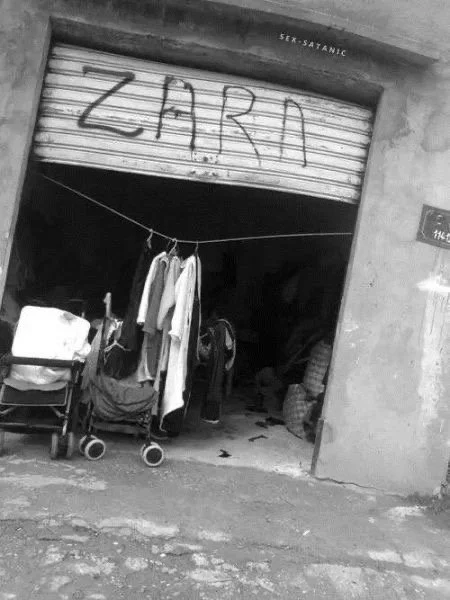
Galliano & Zara: Genius Meets Mass Market
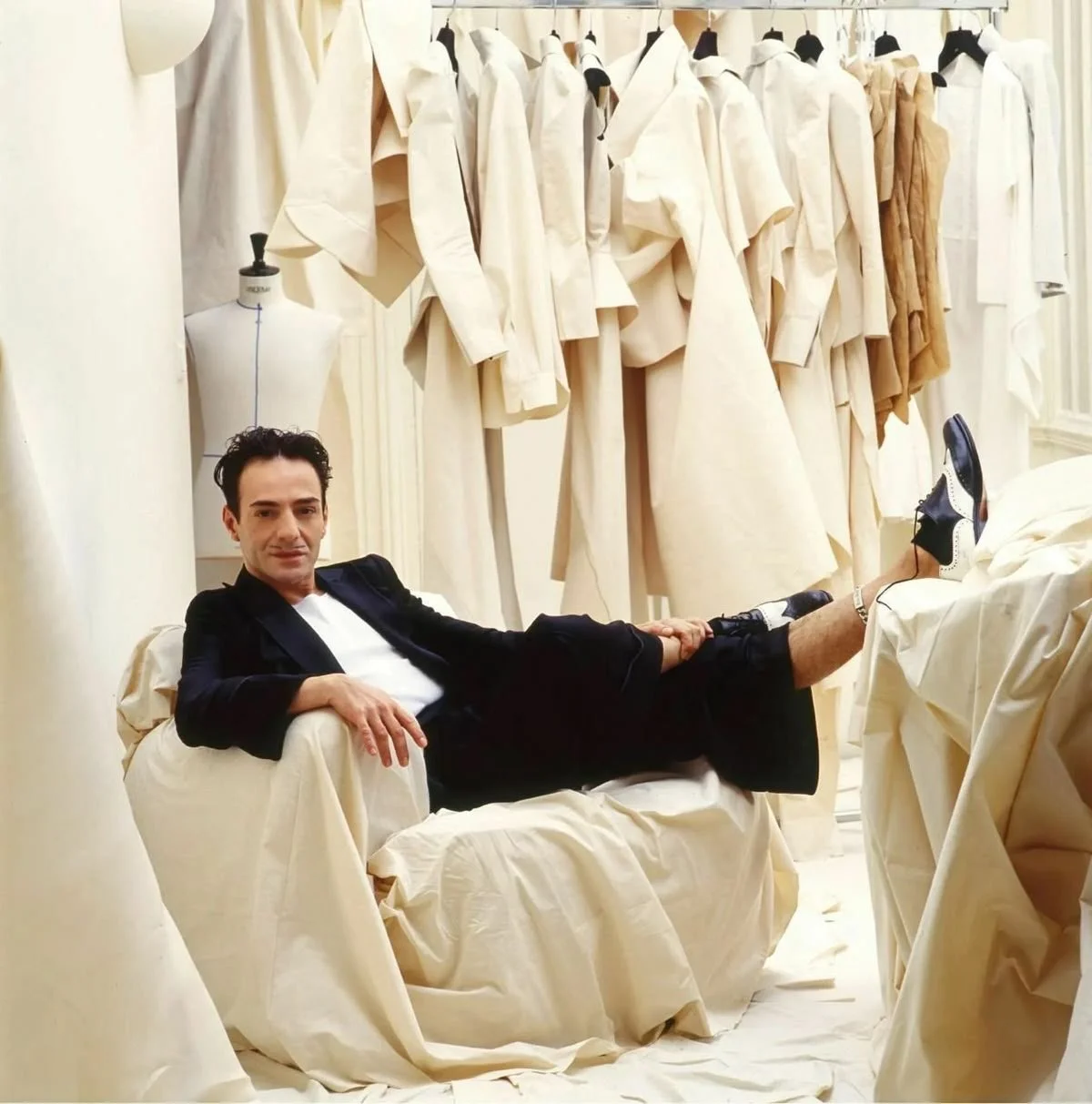
John Galliano and Zara have announced a two-year creative partnership aimed at reimagining the brand’s archives through a series of seasonal collections.
The timing is no coincidence. Following his departure from Maison Margiela - marked by what many consider one of the most powerful artisanal shows of this generation - speculation around Galliano’s next move reached fever pitch. Names like Dior, Hermès, and Chanel dominated the conversation.
Instead, he chose Zara.
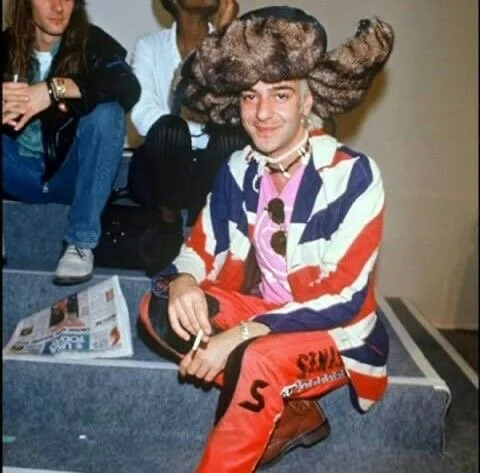
A move that feels, at first glance, almost contradictory. Zara, the Spanish fast-fashion giant built on speed, accessibility, and relentless output - now aligns itself with one of fashion’s most revered and theatrical minds. The premise? To “explore the archives.” But what exactly constitutes an archive for a brand historically defined by rapid replication rather than legacy?
And yet, this may be less surprising than it seems.
Zara has been quietly repositioning. From its visual identity to more calculated cultural moments, such as Bad Bunny stepping out in a custom Zara look on one of the world’s biggest stages - the brand is signalling a desire to shift perception. To move away from its long-standing association with disposable fashion, and toward something more curated, more intentional.
Galliano’s involvement could mark a turning point.
At its most optimistic, this collaboration has the potential to birth something genuinely extraordinary, a collision of high-concept artistry and mass accessibility, perhaps even an exploration of sustainability within a system that has historically resisted it. But there is another, more cynical reading. Is this Zara adopting the H&M model - maintaining its core fast-fashion machine while carving out a limited, elevated capsule to capture cultural credibility? A Galliano-fronted facade layered over an otherwise unchanged infrastructure?
If so, the implications are broader than fashion. This partnership feels like a sign of the times - a subtle recession indicator. As global uncertainty intensifies and consumer spending tightens, even the industry’s most celebrated creatives are being drawn into mass-market ecosystems. The lines between luxury and accessibility continue to blur, not out of creative evolution, but economic necessity.
The question, then, is not whether this will sell - it will. The real question is what it represents. Do we truly want one of the world’s most visionary designers operating within the framework of fast fashion? Or will we critique the system, only to queue from the early hours, eager to participate in it?
As ever, fashion reflects us more than it leads us.
So…
Time will tell.