
is the fashion calendar losing its grip?
Why Off-Season Fashion Shows Are Becoming the Industry’s New Power Move.
For decades, the fashion calendar dictated everything. February and September belonged to womenswear, while January and June were reserved for menswear, with brands competing for attention during tightly packed fashion weeks. Increasingly, however, some of the industry’s biggest names are choosing to step outside that system altogether.
Recent seasons have seen brands such as Jacquemus and Marc Jacobs establish themselves as regular off-calendar players, presenting collections on their own terms rather than fighting for headlines during an already overcrowded schedule.

Marc Jacobs SS27
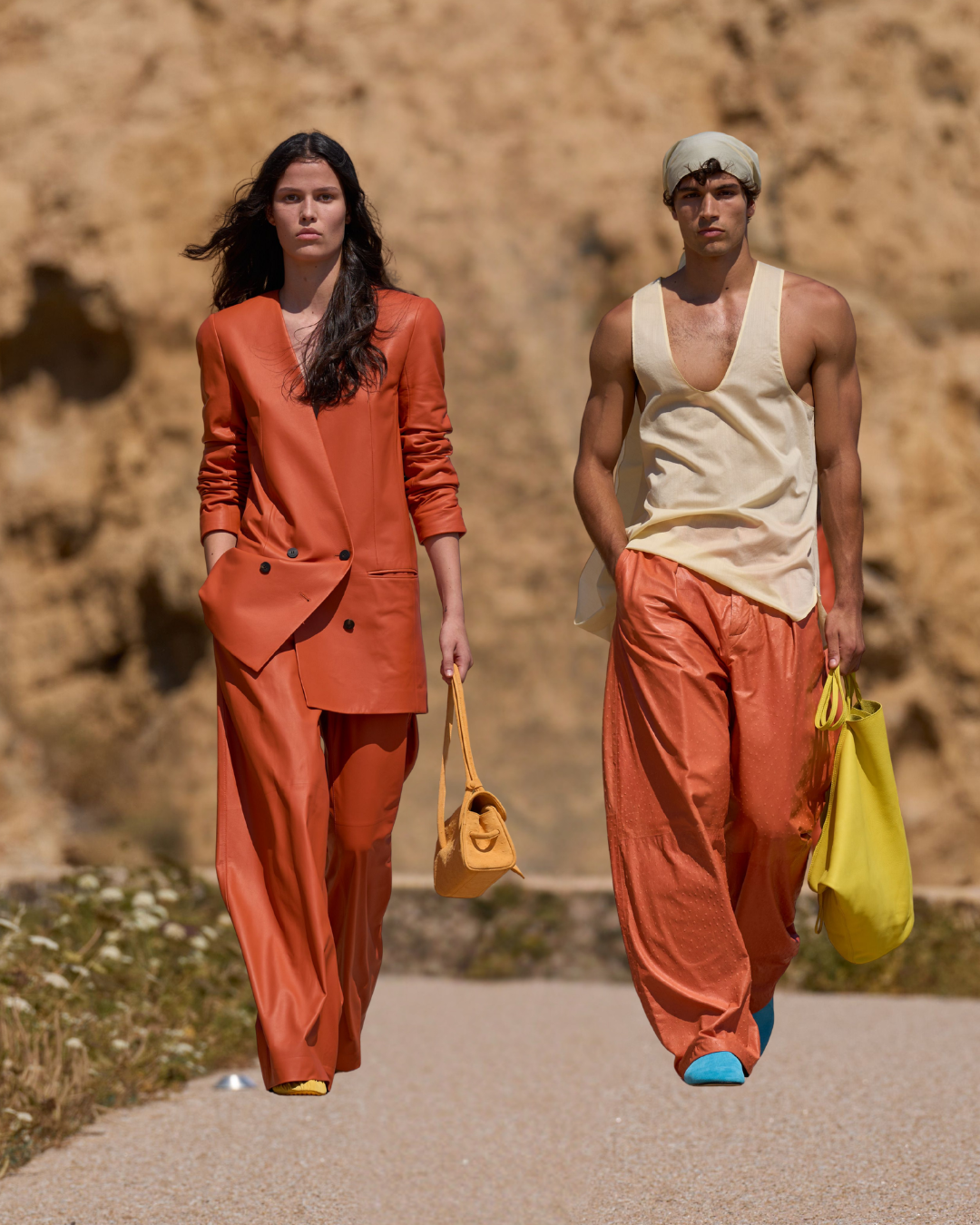
JACQUEMUS SS27
Years earlier, Yeezy also rejected convention, staging collections independently and proving that a show didn’t need an official Fashion Week slot to dominate the conversation.
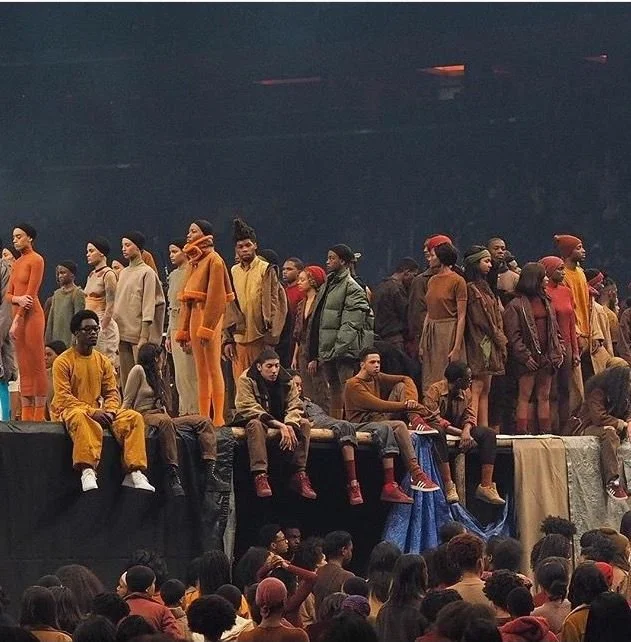
YEEZY A/W 2016
The reasons are simple. During Fashion Month, hundreds of runway shows, presentations and events compete for attention across four cities. Even major luxury houses can find themselves overshadowed within hours by the next blockbuster collection. Showing off-season gives brands something increasingly valuable: time. Editors, buyers and audiences are able to focus on a single collection, allowing it to dominate social media, news cycles and consumer attention for days rather than minutes.
There is also greater creative freedom. Brands are no longer restricted by the relentless pace of the traditional calendar and can present a collection only when it is fully realised. That flexibility often leads to more immersive experiences, unexpected locations and highly considered storytelling, transforming runway shows into cultural events rather than simply another stop on Fashion Week.
For independent-minded brands, this strategy also reinforces identity. Jacquemus has built an entire world around destination runway spectacles, while Marc Jacobs has turned surprise New York presentations into some of the year’s most anticipated fashion moments. The absence of a crowded schedule makes each reveal feel more intentional and more exclusive.
As the industry continues to question the sustainability and relevance of the traditional fashion calendar, off-season presentations are becoming less of an exception and more of a strategic advantage. Fashion Week remains hugely influential, but for some brands, the most powerful statement is no longer being part of the calendar - it’s creating one of their own.